

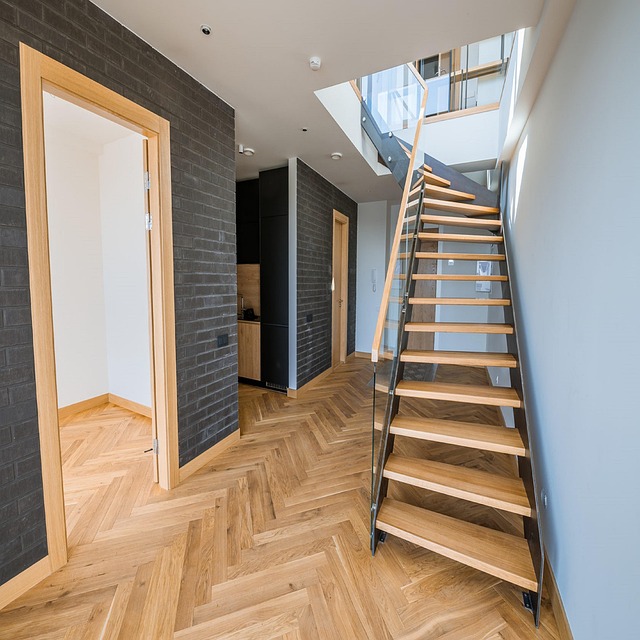
Sustainable Flooring floors landfill waste with cork, bamboo, or US-made recycled wood that complies with FloorScore low-VOC regulations. These boards click in without glue, so your living room air remains clean.
LA homeowners can pick them up at local ReStores for around $3 per square foot. The following parts explain where to purchase, how to install them, and what maintenance keeps the warranty valid.
What Defines Sustainable Flooring?
Sustainable flooring options reduce carbon emissions, utilize renewable materials, and keep spaces out of the landfill. It’s not just about what the flooring itself is made from; it encompasses the entire manufacturing process and its impact on the environment.
Five Must-Haves for Sustainable Flooring
- Proof of certified raw stock (FSC, FloorScore, or equal)
- Low-carbon plant energy shown on the label
- Long use-life is achievable when the flooring can be repaired or sanded at least once.
- Take-back or local recycling path in writing
- No added urea formaldehyde or phthalates
Old-growth oak can register 18 lbs of CO₂ per square foot before it even hits a Los Angeles truck. In contrast, an FSC-certified eucalyptus plank drops that to 6 lbs, while a friendly flooring option like recycled rubber tile hits just 3 lbs, effectively reducing smog-forming VOCs.
1. The Full Lifecycle
That begins in a Guatemalan bamboo grove. Three-year-old culms are sliced and dried in a solar kiln, trucked to the coast and shipped through the Panama Canal to Long Beach, then rail-run to the Carson plant that glues strips into planks with soy resin.
At year thirty we unscrew the floor, ship it back to the same plant, shred it, and press it back into new boards. Skip the return leg and the stuff could end up in a Riverside landfill where methyl isocyanate is leaching out. One weak link makes the loop toxic.
|
Flooring Type |
CO₂ (lbs/ft²) |
Plant Energy (kWh/ft²) |
Landfill Waste (%) |
|---|---|---|---|
|
Solid Teak |
18 |
2.8 |
85 |
|
FSC Eucalyptus |
6 |
1.1 |
10 |
|
Recycled Rubber |
3 |
0.4 |
5 |
2. Raw Material Sourcing
Choose FSC teak from Belize over Myanmar and you save 0.4 acres of delta mangrove. Inquire in the yard for the chain-of-custody code and enter it on your phone into the FSC site.
If the lot indicates “Controlled Wood,” stroll away. Coconut palm flooring from old plantation trees has the mahogany look without impacting a natural forest.
3. Manufacturing Impact
Our Sun Valley mill, powered by rooftop solar, reduces carbon emissions by 1.2 pounds of CO₂ per plank versus the grid mix. Read the environmental product declaration: anything under 0.03 parts per million formaldehyde and 5 grams of CO₂ per square foot meets California’s strictest rule.
Plants that re-grind off-cuts into new boards keep 94% of scrap out of dumpsters.
4. Health and Air Quality
Replace carpet with a friendly flooring option like FloorScore cork to lower asthma triggers by 50%. Snag an EPA-approved test kit for $40. If formaldehyde exceeds 0.05 ppm, air it out and contact the manufacturer.
5. End-of-Life Options
Buy 10% additional click-together LVT so that heavily worn pieces can be popped out individually. LA Metro’s Griffith Park depot accepts old rubber gym floors every second Saturday at no cost.
Kansas school’s reclaimed maple is used for an Echo Park coffee bar top, which is the same wood for a new gig.
A Guide to Sustainable Materials
Sustainability is now a leading priority in building design, with consumers, businesses, and investors looking for buildings that are energy-efficient and sustainably built. Flooring sits at the heart of that quest: the right board or tile can lock carbon away, earn LEED or Living Building Challenge points, and still handle dog claws and stilettos.
To stay shopping simple, consider four buckets: natural woods, plant-based, mineral-based, and recycled content. Every group has its own benefits, price ranges, and certification idiosyncrasies.
|
Material |
Durability (yrs) |
Low-maintenance? |
Sustainability score* |
|---|---|---|---|
|
Reclaimed oak |
75-100 |
Yes |
9/10 |
|
Strand-woven bamboo |
30-50 |
Yes |
8/10 |
|
Cork tile |
20-40 |
Moderate |
8/10 |
|
HempWood |
25-40 |
Yes |
9/10 |
|
Polished concrete |
50-100 |
Yes |
7/10 |
|
Recycled-glass terrazzo |
75-100 |
Yes |
8/10 |
|
Econyl carpet |
15-25 |
No |
6/10 |
Score considers renewability, recycled content, carbon storage and end-of-life pathways.
Natural Woods
Bamboo flooring behaves like hardwood, yet matures in five years. Certain species grow nine feet in nine months and can be harvested every three to five years.
Reclaimed wood flooring keeps old gym floors and barn beams out of landfills and reduces new timber demand. Refinishing those boards reduces carbon footprint by more than 75 percent compared to ripping them up and purchasing new.
If you choose engineered hardwood flooring materials, check the glue line. Formaldehyde-free cores are now common and protect indoor air. Request Forest Stewardship Council (FSC) stamps on any new lumber. Ethically sourced timber from responsibly managed forests remains one of the most sustainable flooring options available.
Plant-Based Options
Cork flooring is derived from the outer bark of cork oak, found primarily in Portugal and California’s Central Valley. The tree remains alive, and the bark regenerates in nine years, providing you with a sustainable floor that buffers humidity fluctuations.
Wool carpeting with natural latex padding bypasses the typical polyurethane foam that leaves a trail of micro-plastic shedding. Check for Cradle to Cradle or Woolmark certifications to verify.
HempWood planks, made from hemp stalks fused with soy-based glue, meet all the Living Building Challenge’s red-list free boxes and ship pre-finished, so you avoid onsite fumes.
Mineral-Based Floors
Polished concrete floors utilize the slab you already pour. Add low-VOC lithium densifiers and you can garner LEED optimization credits for indoor air.
Sustainable porcelain or ceramic tile products now incorporate up to 60% recycled glass tiles into the glaze, cutting both landfill burden and kiln power. For color, request recycled PET bottle chips from terrazzo providers. They come in 30 standard colors and are priced the same as virgin marble.
Recycled Content
Econyl carpet transforms nylon fishing nets and reclaimed carpet extracted from U.S. Sewage plants into rejuvenated fiber that doesn’t sacrifice strength, and you’ll find it surprisingly often in downtown Los Angeles office refits.
Consumer tire waste absorbs rubber gym weights and lasts 20 years; just look at the product disclosure statement to confirm recycled content is 50 percent or more. Certain carpet, however, continues to live only 5 to 20 years, so balance replacement cycles with initial savings.
EPDs detail global warming potential and resource depletion in six categories; just scan the QR code on the box before you purchase.
Your Home’s Indoor Air Quality

Sustainable flooring options significantly reduce indoor air pollution and enhance indoor environmental quality ratings. With babies, dogs, and desk jockeys spending their days inches above the floor, cleaner surfaces matter. Transitioning to low-VOC floors is a friendly flooring solution that helps millions of homes lower asthma triggers within days.
Understanding VOCs
Volatile organic compounds are the hidden exhaust bubbling out of vinyl tile, laminate glue, and typical carpet backing. EPA tests found:
- Over 60 hazardous air pollutants in common floor adhesives
- Formaldehyde exceeds 0.1 ppm in 23 percent of new homes with composite flooring.
- Off-gas peaks within the first 6 to 12 months after install.
Seek out “ULEF” (ultra-low-emitting formaldehyde) or “NAF” (no added formaldehyde) on the box. A fast check-up spares decades of pulmonary effort.
Allergen Reduction
Tear up twenty-year carpet and you tear up the dust mite mansions! The pad and pile hold skin flakes, pollen, and pet dander that vacuum brushes can’t reach. Once the rug is gone, particle counts drop 60 percent in 48 hours.
So make the switch to hard surface flooring—oak, cork, or polished concrete—and you deny mites the warmth and moisture they crave. Use a HEPA vacuum on any loose rugs once a week to keep the leftovers down.
For bedrooms, mop-friendly bamboo rules; its tight grain shakes off dust and the Swiffer swooshes in thirty seconds.
Natural Humidity Control
Cork tiles expand when the air is wet and contract when it is dry, so the flow room floats around 45% humidity all on its own. That buffer keeps mold spores bored and lungs calm.
Polished concrete allows vapor to travel through micropores. In a steamy LA bathroom, that breath cuts mildew growth in half compared with sheet vinyl.
Wide-plank sustainable wood still needs assistance. Put down a 6-mil vapor barrier over the slab prior to installation. The film prevents moisture from rising and keeps the boards from cupping when the Santa Ana winds crank up the heat.
Decoding Certifications and Labels
US shops often promote their products with leaves, trees, and ‘eco’ labels, yet only a few small logos validate these claims. A quick glance at the cheat sheet—FSC tree inside a check, FloorScore blue square, Cradle to Cradle loop, GREENGUARD gold arc—can save hours of guesswork when selecting sustainable flooring options. In a market flooded with greenwashing, third-party evidence is essential for discerning customers. Always verify the certification number on the brand look-up page before making a purchase.
Forest Stewardship Council (FSC)
Decode the certifications and labels. Spot the FSC 100 percent stamp on the end of each hardwood plank. It signifies each strip of virgin oak, hickory, or maple departed a well-managed US or Canadian forest. Scan the QR code, download the six-digit certificate, and email it to your GC.
LEED inspectors give up to two points for it. Skip “FSC Mix” boxes if you’re after total wood guarantee. The mix is allowed to contain 30 percent non-certified fiber.
FloorScore
Insist on FloorScore for vinyl plank, rubber gym tiles or laminate if you detest that new-floor smell. The badge limits VOCs to 0.5 mg/m3, about half the level of California Section 01350. Look up the product batch number on the public SCS database.
If it is not in there, the roll in your cart is a fraud. FloorScore extends to adhesive pails and cork underlayment, too, so inspect each layer going into your home.
Cradle to Cradle
Decoding Certifications and Labels Cradle to Cradle Gold or Platinum means your floor was designed to disassemble and provide nourishment for the next manufacturing cycle. The label checks five boxes: safe materials, clean water use, green power, fair labor, and take-back plans.
Ensure coatings, glues, and UV finishes are of the same grade. One weak link can leach toxins into the cycle. Specifiers get points in Living Building Challenge and LEED v4 when all flooring layers achieve Gold.
GREENGUARD
Choose GREENGUARD Gold for day-care mats or clinic lobbies where infants crawl for hours. Its total VOC limit is 220 μg/m³, roughly 10 times stricter than standard GREENGUARD listed on most cartons. Match certified bamboo with SafeChoice carpet seam sealer to seal the entire bundle beneath one wellness umbrella.
If a rep cannot present test data after 28 days of chamber time, leave.
The True Cost of Your Floor
Sticker price is just the initial line. L.A. County homeowners who trade carpet for FSC white oak quickly discover the invoice pays for ripping up old bitumen, skim-coating slabs, and hauling scrap to Sun Valley transfer. Factor in $1.50 to $2 per square foot for that work, and another $0.75 if asbestos glue lurks underneath 1970s vinyl.
Cheap LVT may dodge the landfill fee today, but in fifteen years it is bound for Chiquita Canyon as non-recyclable trash—another $0.60 per square foot you deferred, not eliminated. Do the complete math and a $9 bamboo plank that looked ‘expensive’ wins over a $3 glue-down toxic strip inside of five years when health, haul-off, and do-over costs end up in the same column.
Initial Investment
FSC-certified hardwood costs $5 to $12 installed. Normal red oak from the big-box flyer is $2 to $4. Recycled glass mosaic comes in at $16, but DWP’s Green Building Program returns $2 per square foot and L.A. County rolls back an additional $1 if you exceed 40% post-consumer content.
Three local installers, EcoTimber in Vernon and GreenFloors in Glendale, will package material, freight, and install on a single line-item invoice. That one purchase order frequently shaves 8 percent off the price just because they load the truck once and cut out the middle margins.
Long-Term Value
Sustainable porcelain planks, a popular flooring option, are fired with 40 percent recycled clay and can last up to 50 years. In comparison, a friendly flooring solution like carpet spun from soda pop bottles typically lasts between 5 to 20 years. Over two ownership cycles, you end up purchasing the carpet again, incurring tear-out costs twice, and paying landfill tipping fees twice.
Reclaimed longleaf pine from the Angel’s Flight funicular commanded a $12 premium but contributed $8,000 to a 900-square-foot condo resale last quarter, according to Redfin comps. Opting for bamboo flooring can also benefit the carbon credit market, which pays approximately $0.04 per square foot via the CoolClimate registry, covering the initial year of eco-soap.
Maintenance Expenses
Polished concrete requires only water and a microfiber pad, saving $180 a year in citrus solvents. Factory-coated European linoleum has a UV-sealed face, allowing you to avoid acrylic polish altogether and save approximately $0.30 per square foot each year.
Graph those figures over ten years and your bar chart predicts a 50% reduction in maintenance spending compared to urethane-finished maple, which demands quarterly wax and a screen-and-coat every 36 months. Even terrazzo, hard as it is, still demands diamond polish powder twice a year, resulting in another $0.45 per square foot that sustainable coatings eliminate.
Beyond the Material Itself
The plank may tick every eco box, but the glue beneath it can disintegrate the benefits of sustainable flooring options. Think of the floor as a system, not just a surface, to ensure a friendly flooring solution.
- Zero-formaldehyde glue
- Low-VOC finish
- Certified underlayment
Adhesives and Finishes
Select adhesives that have the North-American flooring PCR seal and state “zero-formaldehyde” in clear type. A 4-liter pail of natural oil or water-based sealer runs roughly eight dollars more than high-solvent polyurethane, but it keeps ozone-depleting VOCs out of the family room.
Coat in daylight, go with windows open and box fan on low, and wait the complete cure time, which is typically 72 hours, before the sofa rolls back in. Rushing traps fumes that can off-gas for years and dent your LEED indoor-air credits.
Underlayment Choices
Cork underlayment provides a 20 dB footfall noise drop and regrows in nine years, so coupling it with click-lock bamboo ensures that both layers are sustainable. Ditch the tacky foam roll that stinks like a fresh new shower curtain.
Those PVC mats leach plasticizers. Recycled nylon felt or natural rubber sheet goes for 30 to 40 cents per square foot around these parts of LA, and both share that same FloorScore or GREENGUARD label you just scavenged for on the top layer. Match labels, and you sidestep an air-test bait-and-switch.
Installation Methods
Floating click-lock boards click together with no glue, slicing install time by a third and keeping adhesive buckets off the job site altogether. For the reclaimed ¾-inch oak, ring-shank nails through the tongue, driven at 45 degrees, hold tight for decades; no wet pot means no extra VOCs.
Crews trained in Green Building best practices know to rack boards from four cartons at once, keeping waste below 3 percent. Request documentation; good teams will record all off-cuts by weight and deliver them to a local wood-waste recycler in Vernon.
Responsible Disposal
Tearing up twelve-year-old nylon carpeting? Call CARE–Carpet America Recovery Effort–first. Their local partner will take it for free if you pile rolls under 6 ft on the driveway.
They will shave the fiber into new engine parts instead of landfilling it. Rubber gym tiles head to Repurposed Materials in Gardena, where they are chipped into playground mulch that complies with ASTM fall-height standards.
Record each pound on your project close-out sheet. LEED gives a point for 50% job-site diversion and two points at 75% so figures are as important as that new floor you just secured.
Conclusion
You’re all set now to select a floor that keeps both the earth and your budget healthy. Bamboo grows back in three years, cork cushions your feet, and non-toxic glue keeps the air sweet. A Floorscore tag means low emissions and a decade wear plate indicates actual expense. Choose local boards to slash truck fuel and request the store bag scraps for city recycling. Okay, let’s get started. Pick up swatches tonight, sniff them out, take a picture of the price tag, and send it to the group chat. Your crew votes, you order, and next weekend you roll the new floor in place.
Frequently Asked Questions
What makes a floor “sustainable” in California?
It’s harvested or recycled at superhigh rates, produced within 500 miles of LA to reduce trucking smog, and offers sustainable flooring options that are FSC or FloorScore certified for low VOCs.
Does sustainable flooring really help LA’s air inside my house?
Yes. Choosing friendly flooring options like FloorScore or GREENGUARD Gold emits little formaldehyde, ensuring you breathe easy during wildfire smoke season.
What’s the greenest option that still looks like classic hardwood?
FSC-certified white oak grown in the Pacific NW or locally reclaimed barn wood both offer an eco-friendly flooring option, providing the same grain without slicing through virgin forests.
Are eco floors more expensive at LA big-box stores?
Bamboo and cork, popular flooring options, cost between three and six dollars per square foot here, which is about the same as mid-grade maple, allowing you to avoid future refinishing costs.
How long does sustainable flooring last?
High-density strand bamboo and cork are ideal flooring options that can handle 25 to 30 years of sun-soaked SoCal living if you mop up beach sand and spills quickly.