

Zero-waste home cleaning products eliminate landfill waste by replacing single-use jugs with refill jars, washable pads, and powders in bulk at LA co-ops like Sustain LA or BYO jar stations in Silver Lake.
One 16-ounce box of concentrate powder makes 32 gallons of all-purpose spray and ships in a kraft mailer that backyard compost bins decompose in less than six weeks.
What Are Zero-Waste Cleaning Products?
Zero-waste cleaning products are supplies crafted from safe, plant-based ingredients and sent in compostable or reusable packaging that leaves nothing for the landfill. They share five core traits: a refillable glass or steel bottle, a dissolvable tablet or powder, biodegradable surfactants, plastic-free shipping materials, and compostable labels. Unlike the neon plastic jugs and petroleum detergents that flank most laundry rooms, these products bypass the water weight and the chemical smell.
The end goal is simple: a weekly wipe-down that adds zero trash to the bin and cuts carbon miles from factory to sink.
1. The Philosophy
Cradle-to-cradle thinking treats every molecule as future food—either for soil or for industry—so a vinegar-based window spray becomes CO₂ and water, not microbeads in Lake Erie. Saying no to single-use plastic is step one; a rugged sixteen-ounce amber spray bottle can last decades if the nozzle receives an occasional vinegar soak. Concentrated tablets shrink both plastic count and diesel use: one pound of powder ships flat in a kraft envelope, replacing nine pounds of liquid filled in California and hauled to New York.
When the sprayer clogs, pop the top, rinse and screw back on—keeping the loop tight and the wallet calm.
2. The Ingredients
Baking soda scours, castile soap lifts grease, white vinegar kills germs, washing soda attacks hard-water film and a few drops of lemon or tea-tree oil leaves the room smelling like a grove, not a lab. Each item multitasks: the same box of baking soda that freshens the fridge can scrub the cooktop and deodorize rugs before vacuuming.
Turn the box around and search for USDA Organic or OMRI stamps, avoid anything that veils behind ‘fragrance’ without naming the specific oils.
3. The Packaging
In their best incarnations, zero-waste cleaners are compostable kraft pods or skinny aluminum tubes or paper-wrapped tablets that come in a letter printed with soy ink—light enough to slide through the mailbox. Recyclable plastic” is still plastic; most #7 pouches are carpet filler at best and ocean fluff at worst.
Brands like Meliora and Blueland send cardboard tubes sans plastic lids — once depleted, shred the box into the compost bin and store the glass sprayer in the cabinet.
4. The Lifecycle
A teaspoon of concentrate powder journeys USPS truck, joins kitchen tap water, scrubs countertop, dissolves in sewer, leaves paper packet to decompose in backyard bin—finished. Refill tablets reduce transport emissions by 90% compared to transporting gallon jugs that are 90% water.
One glass bottle substitutes for about a hundred plastic spray heads per household per annum. When the steel scoop eventually bends, just throw it in the scrap-metal bin.
5. The Impact
One swap saves approximately five pounds of plastic from landfills annually — the equivalent weight of a full family-size detergent jug. Plant surfactants break down quickly, so phosphorus remains low and rivers don’t get slimy algae blooms.
Indoor air gets better as pine-scented bleach VOC’s fade; kids quit hacking on Saturday chores.
Why Ditch Conventional Cleaners?

Indoor air tests from L.A. Apartments reveal spikes of volatile organic compounds that linger three times longer than the freeway soot outside. Those very same plastic jugs and pop-up bleach wipes clogging curbside bins in Echo Park contribute 1.2 million tons of U.S. Landfill mass every year. Kids on freshly mopped West Adams floors inhale doses associated with asthma attacks, dogs lick chlorine-trailing water bowls.
The following sections detail secret chemicals, plastic tallies, and river rankings in easy-to-read figures.
Hidden Toxins
Ammonia and chlorine bleach and phthalates and formaldehyde still sit on most big-box shelves under names like ‘Spring Rain.’ One ‘ocean breeze’ scent masks forty-something chemicals the manufacturer never mentions. USC asthma clinics document a 17% increase in attacks connected to these concoctions.
Quick scan tip: if the back panel shows “Danger” or “Poison” inside a tiny diamond, picture that warning on food—you’d skip it, right? Safer move: look for Green Seal or U.S. EPA Safer Choice logos printed right on the front; those marks mean every ingredient passed a full toxicology screen.
Plastic Pollution
The typical U.S. home tosses 32 spray bottles annually—roughly one every eleven days. Only 9% of that plastic gets remelted into new products, while the other 91% languishes in landfills or breaks down into microplastics that float down the L.A. River to Long Beach. By using natural cleaning products, you can significantly reduce your plastic waste and contribute to a more sustainable cleaning routine.
Refill tablets are under an ounce and ship in paper mailers, allowing you to toss one into a reused glass bottle, making your plastic tally go to zero by morning. Keep a single hardy sprayer under the sink; when it’s empty, throw in a new tab rather than purchase another jug of conventional cleaning products.
A local Silver Lake co-op carries tablet six-packs wrapped in compostable sleeves for $1.90 each—less expensive than most new bottles, making it a great choice for eco-conscious consumers seeking friendly cleaning solutions.
Waterway Contamination
Phosphorus and nitrogen from powder detergents flow by city treatment plants and fuel dense algae blooms off Santa Monica Bay every summer. Surfactants in lemon dish soap literally coat fish gills and reduce oxygen to such low levels, kayak tours see fewer bass each season.
Plant-based formulas with biodegradable labels decompose in 28 days—tested by UC Riverside labs—so stream life has a chance to recover. If you wouldn’t drink it from a cup, keep it out of the drain.
Crafting Your Cleaning Arsenal
Four pantry staples—baking soda, white vinegar, castile soap and lemon—stand in for nine-tenths of store cleaners. Specific recipes for all-purpose spray, scouring powder and glass cleaner are below. Purchase ingredients in bulk paper bags or glass jars, carry them home, fill reusable bottles, and label.
Store everything on a high shelf or in a locked cabinet, out of reach of children.
Foundational Ingredients
Pick up 1lb baking soda, 32oz distilled white vinegar, 16oz liquid castile soap, 1lb washing soda and 20 drops tea tree oil. Pack powders into wide-mouth quart jars – tie on a stainless steel scoop so you never dig with a plastic spoon.
Vinegar keeps a year in glass, powders two years, oils three. Toss the jars, a funnel and folded cotton cloth into a thrifted metal caddy—one handle, zero plastic, instant grab-and-go.
All-Purpose Spray
Stock a sixteen-ounce amber glass bottle with one cup distilled water, half-cup white vinegar, two tablespoons castile soap and twenty drops lemon oil. Shake well, spritz counters, painted walls or sticky high-chair trays—avoid marble and granite so the acid won’t etch the seal.
The batch is like .75 bucks, whereas awwwww, four bucks for the neon stuff at Target. When the bottle hits empty, stroll over to the bulk jar, refill, rinse, repeat—no new plastic ever.
Scouring Powder
Mix together 1 cup baking soda, 1/2 cup washing soda, and 20 drops rosemary oil in an empty pasta sauce jar. Sprinkle onto a crusty baking sheet or the ring around the tub, scrub with a damp loofah slice.
Rinse—porcelain glows, stainless sparkles, no scratch markings. Toss a bamboo tablespoon into the jar; replace with fresh baking soda every six months to keep the grit strong.
Glass Cleaner
Stir together 2 cups distilled water, 1/2 cup white vinegar, 1/4 cup rubbing alcohol and 1 tablespoon cornstarch in a spray bottle. Shake every time, spray windows or the patio door your dog nose-prints daily.
Wipe with an old T-shirt rag–ditch paper towels and the waste they pull. If DIY seems like too many steps, grab Blueland refill tablets—they mail in paper mailers and still hit the zero-waste target.
: build once, clean forever.
Sourcing Sustainable Products
Start with the bottle you grab every day—dish soap. By swapping that out first, you save about a pound of plastic from the landfill every month. From there, run every future cleaning product through a 3-step vet: read the ingredient list, check what the bottle itself is made of, and confirm you can refill it somewhere nearby. Every purchase encourages retailers to carry more sustainable cleaning products.
Reading Labels
Turn the bottle over; if the panel conceals “fragrance” with no additional explanation, put it down. There are more than 3,000 secret scent chemicals lurking in that word and most have never been evaluated for safety in the U.S. Instead, look for Green Seal, EPA Safer Choice, or that little B Corp stamp—those mean an outside lab did the work for you!
Cross out parabens, phthalates, chlorine bleach and synthetic dyes – they rinse down the drain and into local rivers. Quick cheat: scan the barcode with the free Think Dirty app; it lights up risky reds while you stand in the aisle.
Finding Refills
Google ‘refill near me’ on Google maps and hundreds of zero-waste groceries and co-ops pop up from Brooklyn to Boise. Bring a wide-mouth mason jar; the clerk tares it on their scale and you pay only for the ounces you take.
If you’re living 10 miles from the closest depot, get dry tabs that weigh 80% less than liquid—Dropps, Blueland and Grove all peddle them in paper mailers little larger than a greeting card. Earth Breeze’s laundry detergent sheets arrive in a compostable envelope, one strip conquering an entire load so you can say see ya to that plastic jug for good.
Put a phone reminder each quarter so you reorder before you run out–no more frantic dash for another new bottle.
Supporting Makers
Certified B Corporations like Meliora and Ethique open their books: living wages, audited water use, verified mineral supply chains. Purchasing their cardboard tube of castile soap supports that model rather than nebulous green assertions.
Scroll Etsy for small-batch makers that slice bars in LA kitchens and package them in old cereal boxes – message ’em and they’ll tailor aromas with spare coffee grinds or lemon rinds. Tag ’em when you mop – a 5-star review raises search rank more than paid ads could ever do!
When you need bulk, score seasonal bundles right from their site—one padded mailer swaps out for five Amazon boxes and plastic air pillows that tag along.
The Real Cost of Clean

A $15 zero-waste starter kit looks crazy next to a $3 blue spray. The gap shrinks once you count what the cheap bottle really bills you: doctor visits for skin rashes, city taxes that haul plastic to Chino Hills landfill, and the gas that moves a 24-truck convoy from Ohio to L.A.
Refill tabs tap out around $0.25 per 16-oz fill. Store brands hover around $0.75 and keep creeping up with resin prices. Most homes save back the switch by the time the year is up.
Upfront Investment
One new glass spray bottle is $4, a 6-pack of multi-surface tablets is $12, and a bamboo pot scrubber is $6–$22 all together. If that stings, wash the empty Windex under the sink and hang onto the trigger – you just pocketed four bucks.
Split the rest: grab the bottle and brush this payday, order tablets after the next check. After the bottle hits the shelf, it’s mission accomplished — each clean thereafter only costs the tab.
Long-Term Savings
A $2 tablet substitutes a $4 plastic spray bi-monthly – $24 remains in your pocket on one product alone! Laundry detergent sheets run roughly $0.20 a load compared to $0.30 pods.
With 300 loads per year, you save an additional $36. Less fumes = less $ on gloves, creams and ER visits when those little hands get rashy from bleach. Considering dish soap blocks and toilet bombs, the annual savings cruise right on past $100 – no coupons needed.
Time and Effort
Drop a tab in warm water, screw the top, shake—30 seconds, just like peeling a safety seal. DIY powders require two silent minutes while pasta boils, mix baking soda, washing soda, and a few drops of citrus oil, then jar it.
Shopping goes lean when you select two reliable refill brands online; click subscribe and USPS delivers envelopes every 8 weeks like clockwork. Beyond set-up day, zero-waste chores melt into the old routine—no additional actions, no search for special equipment.
A Room-by-Room Guide
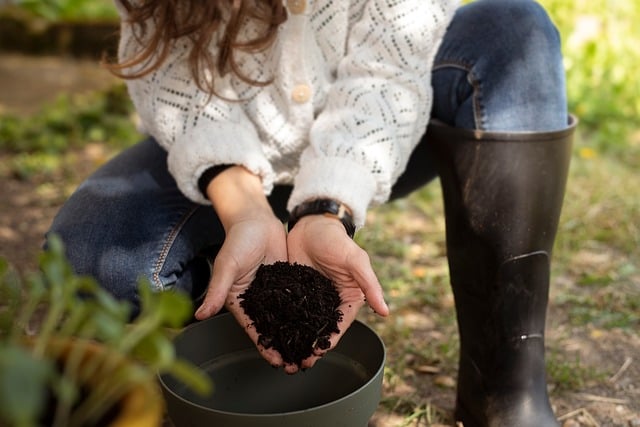
One room, each Saturday – check it off, move along. Kitchen grease, soap scum, and dust all get a natural cleaning products swap. As one bottle empties, purchase or create the sustainable cleaning products variety—no repeats. Skip perfection; every plastic bottle saved from a shelf is a victory.
The Kitchen
Trade in the plastic squeeze soap for a solid 4 oz dish block. Put it on a $9 bamboo rack by the sink–it air dries quick and lasts two months for me and the spouse.
When stove crud gets sticky, sprinkle about a quarter cup of baking soda over the cooled grates, mist with cheap 5% white vinegar, wait two minutes, then wipe with a cut-up cotton tee you saved from the rag pile. The soda’s fizz loosens bacon fat so you don’t need steel wool.
Wood cutting boards even pick up garlic funk — cut a lemon in half, dip the face in kosher salt, scrub for thirty seconds, sit it while you wipe counters, rinse. Glass pasta jars serve as leftover tubs—one less plastic container to scrub and ultimately recycle.
The Bathroom
Toss a half a cup of baking soda and tea tree oil, 10 drops, into the bowl, swirl with a silicone brush that’ll last years.
Soap scum fogs the tile? Combine one ounce castile soap with three ounces warm tap water in an old 12 oz spray bottle, shake and wipe with a Swedish dishcloth that goes in the washer.
Streaks on mirrors? Re-use the DIY glass mix from the living room and an old pillowcase hem—lint-free, and already paid for. For quick tub touch-ups pre-guests, keep a small mason jar of scouring powder (2 parts baking soda, 1 part washing soda) under the sink.
Living Spaces
Dust with a microfiber cloth you can wash 500 times–ditch the disposable wipes that shed plastic fibers.
Carpets that smell like dog? Sprinkle 1 cup baking soda combined with 5 drops sweet orange oil, wait 15 minutes, vacuum.
Are air stale? Fill an 8 oz spray bottle with distilled water, a tablespoon of cheap vodka and some citrus zest from yesterday’s snack. Mist corners, not furniture.
Stash tools—sprays, rags, jar of soda—in a cotton tote so you roam room to room without hauling a plastic caddy.
Conclusion
You’ve now got a guide to a less full garbage bin and more secure living space. Pick one swap this week: maybe you refill a spray bottle at the bulk station on Sunset, or you mix vinegar and orange peels in a jar you already own. Every little victory means less plastic on the curbs from Echo Park to Long Beach. Share a pic of your new arrangement, give a shout out to the store that assisted you, and throw the suggestion out to a friend. The next person duplicates you and the chain goes on. Prepared to get going? Reach for that vacant jam jar, choose your opening recipe, and wipe a counter today.
Frequently Asked Questions
What counts as a zero-waste cleaning product?
Any cleaner that ships single-use plastic-free, in refill glass or metal and allows you to recycle or compost every last bit once used is a great option for sustainable cleaning. Think concentrated tablets, bulk powders, or DIY mixes in re-used jars for eco-friendly cleaning products.
Do these products kill germs as well as bleach?
Yes. EPA-registered refillables like hydrogen peroxide tablets or citric acid sprays provide cleaning power to kill 99.9% of kitchen and bath germs — without harmful chemicals.
Where in L.A. can I refill cleaners without driving?
Bring jars to Re_ in Silver Lake, Sustain LA in Frogtown, or the Co-Opportunity bulk wall in Santa Monica—Metro bike friendly stops for all three, promoting sustainable cleaning products.
How much will I save yearly by switching?
The typical L.A. household spends $120–$160 on conventional cleaning products annually. By using $14 glass bottles and $40 of natural cleaning products, costs can be reduced to about $45.
Are homemade mixes safe on marble counters?
Avoid vinegar or lemon on marble–they etch the stone. Instead, use a gentle cleaner like pH-neutral castile soap mixed with water, then buff dry with a cotton cloth.
2 thoughts on “10 Zero-Waste Cleaning Recipes for a Plastic-Free Home”