

Scenery lighting is a designed group of lights outside that increase curb appeal, prolong patio time, and reduce potential trip hazards in the dark.
In L.A., low-V LED kits couple with drought-smart yards to comply with 8 p.m. Noise ordinances and skirt peak grid hours. Fast mount clips allow renters to attach path spots without digging.
Next, consider wiring tips, bulb selections, and city codes that protect your installation and your electric bill.
Why Landscape Lighting Matters
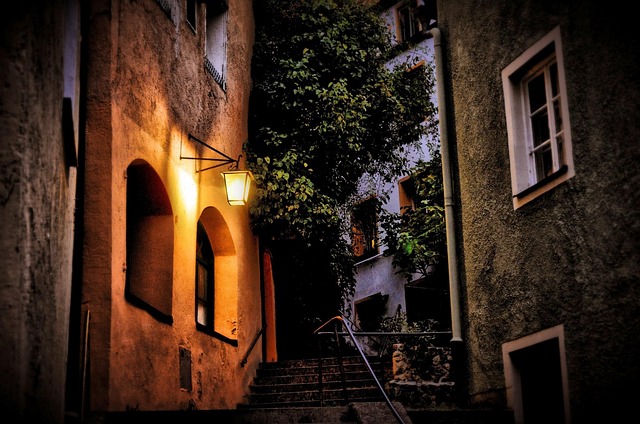
A black yard conceals both the beautiful and the dangerous; good landscape lighting systems correct both quickly.
-
Illuminated pathways direct visitors and protect your turf.
-
LED fixtures consume seventy percent less energy than traditional halogen bulbs.
-
Why Outdoor Lighting Is SO Important – Soft garden glow adds curb appeal the moment the sun goes down.
Enhanced Security
Floodlights focused on doors and gates eliminate hiding places. Wire them to a 120 V box, not an indoor outlet, so the breaker is safe from rain.
Put them with motion sensors connected to a 12 V transformer. You have a 700-lumen flash that scares both raccoons and humans. Bullet lights placed beneath shadowy windows illuminate any intruder who enters the grass, casting a sharp outline to security cameras.
Bury low-voltage cable in 6 inch PVC conduit or metal shields so a quick tug can’t kill the whole system.
Increased Safety
Stagger 18-inch path lights every 6 to 8 feet along the walk from driveway to porch. That distance maintains light at 150 to 200 lumens, bright enough to spot a stray toy car without feeling like you’re at the mall.
Deck lights on the rail posts delineate the fall from wood to lawn. Select fixtures with a wet rating so sprinkler mist won’t set off the GFCI.
Install a downlight beneath the pergola beam. It casts a gentle 4-foot circle on the patio table and eliminates steps-hiding shadows.
Extended Living
Hang a 300-lumen wash light above the grill so you can consult the meat thermometer without a headlamp. Mount a 35° spotlight high in the live oak; pointed through the branches, it mimics moonlight and lets you bypass the patio umbrella light.
I set the transformer timer for sunset on and midnight off, with no switches to remember. outdoor landscaping lighting matters. Use 2700 K LEDs in seating nooks. The warm tone feels like firelight and bugs stay calmer than with cool white.
Curb Appeal
Uplight the stucco facade with 36° brass spotlights set 1 ft out from the wall. The angle reveals texture without hot spots.
Run tiered path fixtures down each side of the driveway. Your guests experience the glow before they see the house, the same trick boutique hotels use on Sunset Blvd.
Switch up your old incandescents for LED filament styles. They look retro, but they’re energy sippers and last 15 years.
Property Value
Brass or copper housings signal buyers that you built for the long haul, not a quick flip. Take before and after photos at dusk.
Listings that have night shots sell faster in L.A.’s crazy market. Pass along warranty papers for fixtures, transformers, and LED chips. Purchasers love hearing they won’t be stuck with a repair bill next year.
Choosing Your Lighting System
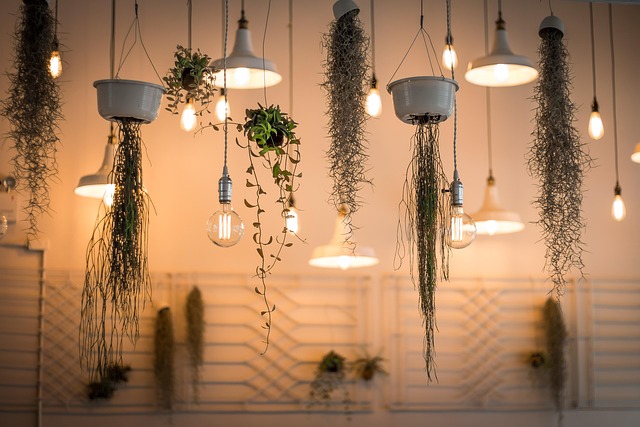
Select a system that matches the objective of safety, aesthetics, or work light. Sketch the yard first. Note paths, trees, beds, and the tap for 120 V. Sum fixture watts, then add 20 percent for the transformer. Most L.A. Yards top out around 200 watts, so a 300-watt unit leaves space to expand.
|
System |
Wire Needs |
Run Time |
Up-Front Cost |
Notes |
|---|---|---|---|---|
|
Low-voltage LED |
12-gauge cable, 6 in deep |
50 k hr |
$20–$40 per fixture |
Steady light, best for paths |
|
Solar LED |
None |
6–8 hr nightly |
$10–$25 per fixture |
Needs 6 hr sun, softer glow |
|
Smart low-voltage |
Same as LED plus Wi-Fi hub |
50 k hr |
$60–$120 per fixture |
Voice, color, dim from phone |
Shop stores that ship free and stock in City of Industry or Rancho Cucamonga. Same-day pick-up beats waiting on the 405.
Low-Voltage LED
Bury 12-gauge cable six inches down, just under the mulch line, and loop it through 20-fixture runs so you can cut in new lights down the line. Four-watt LEDs produce 200 lumens, which is twice the old 20 W halogen, yet consume less wattage.
Select stainless-steel housings; they shrug off Santa Ana humidity and winter rain. If the back line is long, grab a multi-tap transformer. Twelve V, thirteen V, and fourteen V taps let you balance voltage drop so the last path light is just as bright as the first.
Solar-Powered
Pop gold-finished solar LEDs in planting beds that indulge six full hours of sun. Anything less than that, they produce a weak glow. Make sure panels face south and keep them cleaner with a monthly wipe. Dust slashes output quick.
Take 50 to 80 lumens for soft edge light, sufficient to mark the walk without glare. When the nightly run dips beneath four hours, switch out the AA-sized recharge pack. Eighteen months is typical in L.A. Heat.
Smart Systems
Plug the hub into the same transformer, then pair each fixture to the app. Say to Alexa ‘backyard 60 percent’ and the zone dims without getting up from the couch. Color-changing LEDs transition from warm white to red and green for the holidays—no ladder, no clips.
Add a Luxor control box and you can dim individual lamps, create scenes, or perform a slow color fade across the entire yard. Turn on the astro clock and lights track local sunset. In December, they click on at 4:50 PM, and in July, at 7:55 PM, hands-off all year.
Designing Your Lightscape
Creating a scaled yard plan is essential for an effective outdoor lighting project, as it prevents unnecessary purchases of landscape lighting fixtures. Start by plotting your lot and identifying features like trees and patio edges on 1/4-inch graph paper, where one square represents 2 feet in actual size. Consider frequent access points, such as doors and fire-pit rings, as well as low walls where guests might rest drinks, to enhance your landscape design.
Before you begin trenching for your low voltage landscape lighting system, take a flashlight outside after dark to test angles. Walk around and hold the light at various heights until you find the perfect spots where trunks glow without causing glare. Mark these locations on your plan; these dots will indicate where to install your landscape lights, ultimately saving you money on unnecessary reruns.
When selecting finishes for your outdoor space, limit yourself to two options, such as oil-rubbed bronze and raw brass, to avoid a cluttered look. Aim for a brightness ratio of five to one; for instance, if a statue is illuminated at 500 lumens, nearby shrubs should receive around 100 lumens. This approach helps create depth in your nighttime landscape rather than a flat, overwhelming brightness.
Layering Light
Begin your outdoor lighting project by washing a cedar fence with 120° floods at 150 lumens each, creating a soft background that enhances the garden. For task lighting, mount two three-inch LED disks under the counter of the outdoor kitchen, providing 400 lumens at 3000 K, allowing you to check the steak’s doneness without needing a phone light.
Next, incorporate accent lighting: bullet lamps with 36° beams can beautifully cross-light the stone Buddha. Each lamp delivers 350 lumens, effectively eliminating shadows and bringing the face to life. Adjust all three zones with individual dimmers to ensure dinner prep is bright while maintaining a calming atmosphere for meditation.
Lastly, for a moonlit effect, install a 3-watt cowl fixture 25 ft high in the sycamore tree. This placement allows the leaf print to cast organic lace shadows, enhancing the overall landscape lighting design.
Highlighting Features
- Graze brick chimneys with 30° bullets to pop texture.
- Side-light succulents with 200-lumen strips. Spines catch twinkle.
- Sink micro-well lights beside steel letters on a gate for striking signage.
- Pin-spot dwarf citrus in pots: 10 watts per tree.
- Cross-light pergola posts cancel pitch-black voids beneath beams.
Narrow 10º beams from landscape lighting fixtures suit tall Mexican fan palms, while wide 60° floods from outdoor landscape lighting caress dwarf yaupon hedges. Waterproof LEDs are a great option for koi ponds, creating a moonlit effect on the water.
Creating Mood
Replace ordinary lamps with 2200 K vintage filaments around terraces. The amber glow mimics antique gas lanterns and soothes the atmosphere. Hide bronze bullets behind river rocks so light skips up in sudden fans. Visitors notice the glow, not the equipment.
PATH FIXTURES dim to 80 lumens for date-night walks. Spread 6′ apart so circles just kiss, with no runway strip. Ring a fire pit with low bollards capped at 50 lumens. Flames reign supreme and stone seats feel secure.
Navigating Regional Challenges
Land, air, and water all give back when you add outdoor landscape lighting. A solution in one region is completely corroded in another, so marrying the right landscape lighting system to local circumstances ensures the work stands.
Coastal Conditions
Salt spray eats cheap aluminum in two seasons. Marine brass fixtures just shrug it off. Weekly hose-downs wash away the clinging crystals. Matte-black powder coat conceals the initial specks of oxidation so the appearance remains untarnished.
Drives every loose wire. Waterproof junction boxes filled with silicone keep low-voltage joints from shorting. Mount transformers on exterior walls at least 18 inches above documented storm-surge marks. This is simple to accomplish with the siding off during a remodel.
A quick tip: Order from a U.S. Warehouse if you need stock by Friday. June is when those coastal towns fill up and freight sits.
Freeze-Thaw Cycles
Frost heave breaks shallow cable like twine. Bury it 12 inches down, under the local frost line, and feed flexible silicone-insulated wire that stays supple at 0 °F.
Path lights embedded in concrete require space to shift. Score an expansion joint every six feet so slabs can rise and drop without shearing stakes. Toward late fall, yank any accent lights that perch in planters. A garage shelf trumps a smashed housing come March.
Composite stakes freeze-proof flex versus split rated. They’re two bucks more than PVC and save a dig-out after the initial melt.
Wildlife Considerations
Light can lead animals astray. Downward cowls direct the beam onto the path and away from raccoon eyes. Amber LEDs at 590 nm provide warm light with no blue spike that sends insects spinning.
Timers closed it down at midnight. Birds, darkness, migration cues, and you cut your energy bill! Avoid areas adjacent to oak or pine nests. Heat accumulation dries eggs even in cool weather.
Map your plot first: mark beds, trunks, and slope changes so you can place each fixture once and leave roots alone. A strategic, staged plan creates depth without additional glare.
Path lights should be low, tree cans should be high, and step lights should be tucked. Choose LEDs for the majority of tasks since they consume 3 watts compared to 20 watts halogen and survive 15 seasons compared to 2.
Bury cable a minimum of 6 inches and lock it to a 12-volt transformer so the lawn crew never sees it.
The Installation Process
Begin with the breaker off, then place each fixture on the grass where you desire it. Walk the route at night with a flashlight strapped to a stick. Space the lights six to eight feet apart along paths and at least twenty feet apart in beds so pools don’t overlap.
Tag each location with spray paint, unroll the 10-gauge main cable from the transformer site to the outermost fixture and cut only after you measure twice. Limit each run to less than fifty feet. If your bed goes deeper, install a second hub around the midpoint to keep voltage consistent.
Trench six inches from the transformer to each hub, drop the cable in and cover lightly so you can still adjust.
DIY vs. Professional
A boxed low-voltage kit with pre-wired connectors and LED stakes will run around three hundred bucks and save 40% of pro labor. Allocate a full weekend for ten fixtures and a second trip to the hardware store when you discover the drill bit is too short.
Certified installers arrive with a trenching machine, a 600-watt multi-tap transformer, and a light meter. They complete the same job in a day, certify the foot-candles, and provide a 2-year workmanship warranty which turns up in Google reviews.
If you require 120-volt branch circuits or desire brass path lights in concrete sleeves, call the pros. The permit fee and inspection clock start the second you cross 30 volts.
Permit Requirements
Nearly every California city will let you plug a 15-watt transformer into an outdoor GFCI outlet and bury 12-gauge cable without a single bit of paperwork. That rule does a complete faceplant the moment you trench under a sidewalk or tap a 120-volt line.
Print out a one-page plan showing fixture locations, cable routes, and transformer load, which is total watts multiplied by 1.25, and drop it off at City Hall. They will stamp it in three days.
Rough inspection – get this done before you backfill. An inspector will stick a ruler in the trench to verify six-inch depth and GFCI protection. Fail that step and you will be breaking fresh ground with the neighbor’s sprinklers laughing at you.
Sustainable Lighting Practices
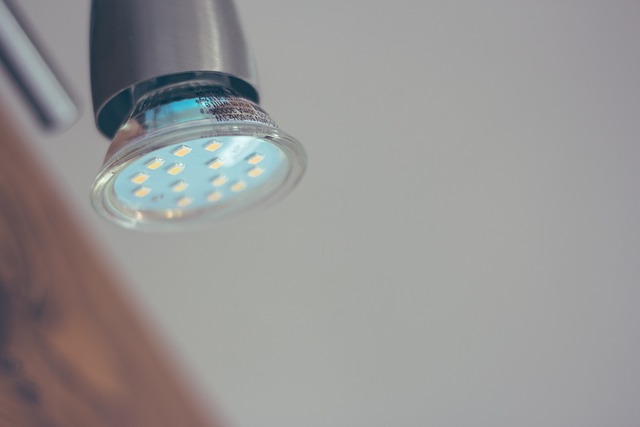
Outdoor lights guzzle energy all night, meaning small tweaks accumulate quickly. LEDs lead the pack. A 6-watt LED path stake provides the same illumination as a 35-watt halogen and consumes up to 75 percent less energy.
Select 2700k warm white for patios and 3000k for steps. Both reduce glare and spare darker skies. Combine that with a bronze or brass shell crafted from 80 percent recycled copper and you have a fixture that won’t pit in L.A.’s salty ocean air and can outlive the plants surrounding it.
Recycled bronze is roughly $10 more up front, but you bypass a replacement for twenty-plus years.
- Install daylight sensors to turn off fixtures during bright hours.
- Install recycled copper fixtures that last for decades and reduce replacement costs.
- Combine solar panels and battery backups to operate 12 V path lights off grid.
A dusk till dawn eye runs $18 in any SoCal hardware aisle. Wire it inline and the sensor kills porch floods at sunrise, cutting about 45% off annual kWh. Solar stakes work even in low-sun zones.
A 3-watt panel on each Ventura County lamp charges a LiFePO4 pack that energizes the LED for five nights of no sun. Swap the battery every five years for $12 and the unit keeps rolling.
Smart timers layer on top of that. A $42 Wi-Fi box hooks into the transformer and allows you to schedule ‘on at 8 p.m., off at 11 p.m.’ for front yard spots whereas back yard remains dark.
That three-hour window, by itself, can save 110 kilowatt-hours per year on a ten-light set. Select amber LEDs (590 nm) and the bugs stay out of the food. UC Irvine studies find moth visitations down 60 percent over cool white, so local bats have their food supply.
Install solar panels on the shed roof, bury low-voltage cable and you get off-grid paths for less than $220 all in. A single 20-watt panel charges a 35 Ah deep-cycle battery, which is sufficient to run ten 12 V LEDs for six hours each night, even after those overcast Santa Ana days.
There is no trenching to the house panel, no meter spin and the city rebate takes $75 off the bill.
Conclusion
Your yard already looks great by day. Throw the switch at dusk and it shines. Select warm lights for those chilly patio evenings. Go bright on paths so no one stumbles. LEDs, timers, done. You save money and the grid thanks you. L.A. Nights remain mild, so plug them in any time of the season. If a bulb goes, you exchange it in two minutes. No tech degree required. Prepared to illuminate your own little piece of SoCal? Pick up a tape, make a quick drawing, and go to the hardware store this weekend. Begin modestly and add more down the road. Your home, your rules, your shine.
Frequently Asked Questions
How much does professional landscape lighting cost in Los Angeles?
Most LA homeowners pay between $2,500 and $6,000 for a complete low voltage landscape lighting system. The price depends on the number of landscape lighting fixtures, length of wire runs, and type of timer, ensuring transparency with flat rate packages.
Do I need a permit to install low-voltage lights in L.A.?
Low-voltage landscape lighting systems (12 V) under 50 watts don’t require a City permit, while line-voltage (120 V) projects do. We handle all necessary permits to ensure your outdoor lighting installation is code-compliant.
Will the fixtures fade under SoCal sun?
We use powder-coated brass or copper that patinas and doesn’t flake, ensuring durability for our landscape lighting fixtures. UV-stable lenses and gaskets are included on every fixture we provide.
Can I automate lights with my smart-home system?
Yes. Our low voltage landscape lighting system transformers pair with Alexa, Google, and Lutron, allowing you to program outdoor lighting scenes from your phone anywhere in L.A.
How long do LED bulbs last in outdoor fixtures?
Premium LEDs in landscape lighting systems last 50,000 hours, offering 15 to 20 years of nightly use, which is about 6 hours a night, every day of the year.
What about drought-friendly yards and lighting?
Narrow-beam LED landscape lights highlight succulents and boulders while avoiding sky glare. We meticulously trench around roots and employ drip-safe stakes to protect your water-wise outdoor landscaping.