

Kids play area – a haven of safety with swings, slides, and foam mats, where they climb, race, and bond with their peers.
Los Angeles parks add shade sails, water misters, and rubber turf to beat the 80 °F heat.
Kids’ play area city regulations require 12-inch deep mulch beneath equipment and weekly safety inspections.
These locations provide parents a break as their children work out their energy.
Ahead, the five best free play zones in your vicinity.
The Blueprint for Your Kids’ Play Area
A close-plan layout saves dollars and heartaches. Map three clear zones: toddler corner, preschool playscape, and big-kid climbing structure.
- Toddler corner: 450 square feet holds ten foam blocks, a 4-foot-wide mini-slide, and two low rockers.
- Preschool playscape: A 1,200 square foot area fits a 6-foot deck height structure, two belt swings, one corkscrew slide, and a 3-foot tunnel.
- Big-kid zone: 1,800 square feet covers an 8-foot climbing wall, spider net, three-rope bridge, and a 12-foot zip line run-out.
Scrawl routes broad enough for strollers (6 ft) and designate an emergency exit at two locations. Gates must swing out to the parking lot. Interject a seating node every 50 ft — basic 8-ft benches angled 30 degrees so adults are always angled toward the play space and sightlines remain open.
1. Age-Appropriate Zones
Design a soft-play playground with 2-ft-high foam blocks for ages 1 to 3 and cover floors with 1¾-in. Poured rubber so those inevitable tumbles don’t bruise. Greenlight a 4-ft-level climbing structure with a rope bridge for 4 to 7-year-olds.
HDPE plastic won’t grill legs on a 95 °F L.A. Afternoon. Turn it into a ninja adventure playground with 8-ft walls for ages 8 to 12 and a button on the timer so kids race the course and develop leg strength.
Display color-coded signs at the entrance of each area—yellow oval for tater tots, green square for middles, red shield for bigs—so kids self-segregate and employees dodge 1,000,000 ‘you’re too big’ conversations.
2. Inclusive Design
Equip one ground-level trampoline with a 32-inch transfer platform and one wide slide with a 36-inch clear width that allows a wheelchair to roll right on. Add sensory panels at a height of 32 inches, including rain wheels, xylophone bars, and soft bubble mirrors, for easy reach from any position.
Use rubberized ramps with a 1:15 slope to every raised attraction, which is a 4-inch rise for every 5 feet of run, gentle enough for manual chairs. Opt for high-contrast colors, such as black-yellow stripes or navy-orange blocks, for low-vision users on all climbing walls, and a matte finish that cuts glare.
3. Creative Flow
Curve walkways like a train track drag families through the entire playground. A mild serpentine path adds 15 percent more trek but keeps kids on the move.
Put the tallest castle in the middle so it serves as a visual lodestone. Moms and dads can catch its beacon across six-foot bushes and guide errant toddlers back. Alternate high-octane swings with silent corners, such as jacaranda-shaded benches and lidded sandboxes, to temper the buzz.
Maintain a six-foot clear corridor between play structures for unencumbered foot traffic and delineate with tan rubber so strollers roll easily.
4. Safety First
Designate poured-in-place pads that meet ASTM 1292 for all fall zones. A nine-inch depth absorbs a 10-foot fall height typical in LA school districts.
Provide a 5-foot minimum outward clearance around each swing and slide exit. Paint a bright blue stripe to indicate this no-standing zone. Choose railings with 3.5-inch maximum gaps to prevent head traps.
Try one with a fake grapefruit before you pay the bill! Arrange for a third-party inspection prior to the gate opening day one. Label each entry with the date and inspector number for public confidence.
5. Community Input
I would hold a design night at the neighborhood library and have the kids vote on the final theme, space, ocean or desert using stickers on a poster board.
-
Blast out a one-page survey to your daycares asking what must-have attractions are; most answer more shade sails and a hand dryer near the pump.
Design a chalk wall at the park where families can sketch out dream play features with staff taking pictures and cataloging concepts every week. Publish the budget and timeline on the city website for complete transparency, listing every bid including the $42k rubber surface line item.
Building with Purpose

Design decisions at the drafting table determine how many hours parents spend re-tightening bolts and how many rainy days kids lose. Recycled plastic lumber is roughly 25% more expensive than pine wood up front, but it bypasses the annual seal coat and never splinters. Most Texas school districts see a 40% reduction in maintenance costs after making the switch.
A 20-year cost plan reveals the exact same lumber saving $3,800 per bay once labor, stain, and premature replacement are accounted for. When we order an extra carton of stainless bolts and matching brackets on a first buy, it costs about $220. Waiting five years for a color-matched set can triple that and shut down a play zone for weeks.
Marking each post “A1, A2…” and every bolt size on the CAD plan enables summer staff to spot-wipe rust in ten minutes instead of scavenging stubborn specs.
Sustainable Materials
FSC-certified southern pine and 100 percent recycled U.S. Steel make up the skeleton of most rugged sets shipping from Dallas workshops to date. Water-based powder coat lines in Austin wrap up metal with half the VOCs of ancient solvent baths, assisting districts in complying with state air rules without additional paperwork.
A 6-foot bench cast from 2,000 shining-white milk jugs communicates a very tangible, very numeric green narrative to families. When that first wave of parts ages out, vendors like PlayCore will take back faded decks and grind them into new sheet plastic. That loop keeps about 1,200 pounds of waste per bay out of Lone Star landfills.
Climate Adaptation
Block 90 percent UV and drop steel deck temperatures from 145 degrees Fahrenheit to 130 degrees Fahrenheit, saving skin and sunscreen battles. UV-stable packages mean polyethylene slides hold their bright red and blue through ten Houston summers, but off-brand colors can blush to pink in two.
A 4-inch trench lined with gravel along the low edge drains a 5,000 square foot zone in 30 minutes. Crews reopen gates two hours after a storm instead of waiting overnight. East-facing climbers catch the gentle 8 a.m. Breeze, so little ones get their burn-on before temperatures hit above 90 degrees Fahrenheit most months.
Ground Surfacing
A brief skim of 10-year bills reveals engineered wood fiber beginning at $4.25 per square foot but requiring eight top-ups. Rubber tiles start at $11 but remain flat, closing the gap by year six.
- Fall height rating must match the tallest deck.
- Permeability rate ≥ 100 in/hr for Harris County codes.
- ADA firmness score less than or equal to 3.5 for stroller and chair roll.
- Heat reflectivity is less than 120 degrees Fahrenheit at an air temperature of 100 degrees Fahrenheit.
Require a 5-year color warranty on poured rubber. Crews in San Antonio say panels lacking it fade two Pantone steps in 36 months. Hide 200 square feet of extra tiles beneath the storage bench. Swapping out a gouged tile requires 15 minutes and one rubber mallet.
Beyond the Swing Set
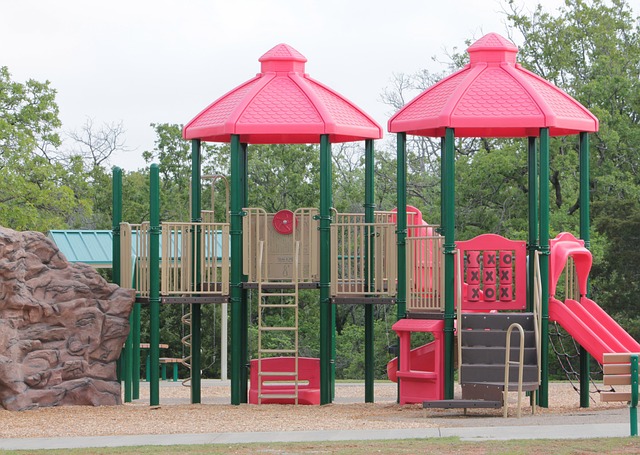
Trade a bay of swings for a hive-shaped obstacle course, a perfect playground experience, constructed from two-by-six cedar and cargo net. Kids enter, scale a 30-degree cargo net wall, and then plummet down a 24-inch roof hatch to a foam pad. The entire unit fits in a 12 ft x 12 ft square, making it an ideal playground solution that just drops down into the old swing footprint with no additional grading.
A fairy-tale town facade—three 5-ft storefronts painted like a bakery, firehouse, and space station—backs up to the fence line. Every window flaps open to turn into a drive-through counter, where kids can pass out plastic muffins or fire hats while some take orders or save the day.
Throw in a 10-ft long molded-plastic gutter with a hand pump at one end; water runs 2 inches deep, just enough for toy boats and bare feet, draining into a gravel dry well to keep the grass dry. A 20-ft zip line mounted on 2-inch diameter galvalume cable has a seat that dangles 18 inches off the ground, allowing a 4-year-old to cruise without a safety belt while still catching the rush of excitement.
Natural Elements
Boulders from a local quarry, arranged in an S-curve, each chest-high on a seven-year-old and spaced so kids can navigate their own route instead of one fixed trail. Native side-oats grama and purple needlegrass fill the gaps.
Once established, they require water only in July and never grow taller than 14 inches, so the municipal crew mows once a season. A fallen pine pruned clean post last year’s windstorm transforms into a 10-foot balance beam; bark stripped, edges rounded with a hand plane, then mounted on rebar stakes.
A three-foot stone wall contours the east edge with three 6-inch gaps left at kid-eye level so walkers notice one another and initiate games of peek-a-boo tag.
Sensory Gardens
Lavender sits knee-high by the toddler gate. When kids walk by, they get a serene, fresh whiff that covers up the nearby trash bins. Wind chimes dangle from red-twig dogwood at 36 inches, low enough for little hands to tap but out of stroller reach.
A sand table constructed from an old feed trough conceals plaster shark teeth and fossil shells. Kids excavate with kitchen sieves and paintbrushes. The ground alternates from slick river rock to coarse decomposed granite every three feet, so kids running barefoot experience a change in texture without damaging their soles.
Smart Tech
A tiny solar box over the gate clicks one tally whenever the beam is broken. Parks staff pull weekly totals on their phone to plan trash pickup. Free wi-fi opens up the city page first, so mommies and daddies hit “I Agree” before clicking down.
LEDs tucked beneath beams remain muted until dusk, then dim to 20% after 9pm to reduce trespassing. A QR code bolted to the castle turret opens an AR map: hold your camera up and icons indicate where bathrooms, first-aid kit, and lost-and-found reside.
Navigating Safety Regulations
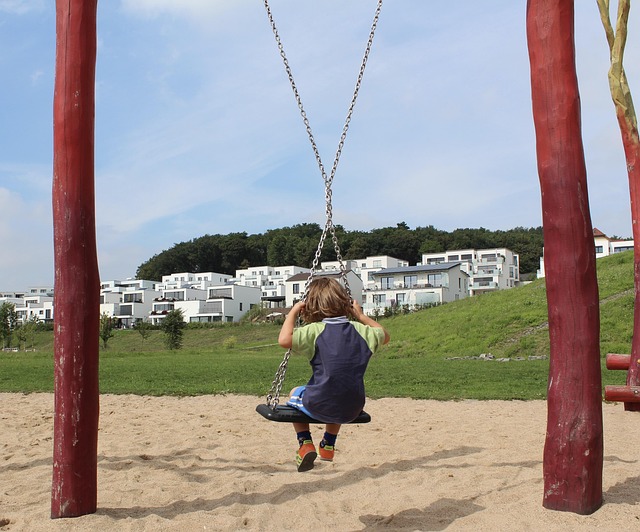
Download the new CPSC playground handbook and cross off every box before the first bolt is driven. This essential guide ensures that your playground equipment design meets all safety standards. The 70-page pdf is free, and the checklist on page nine itemizes every spacing, force, and surfacing rule in plain English. Print it, tape it to the job box, and slash off each line in red as the crew passes. That one printout has bailed out more grand openings than any lawyer.
Fall-height table
|
Age group |
Max deck height |
|---|---|
|
6–23 mo |
32 in |
|
2–5 yr |
60 in |
|
5–12 yr |
108 in |
Managing safety regulations. File city forms 90 days early so permits do not stall opening day. A planner will return the packet if one page is upside-down. The extra month allows time to fix it twice. Maintain a folder of all test certificates for the inspector’s convenience.
Label each pdf by trade: “Surfacing-GMax-Test-2024-04-12” so the file pops up on your phone the moment the badge appears.
CPSC Guidelines
Make sure all swing hangers are rust-free and can pass a 500-pound pull test. Take a cheap fish scale of the type you find in the sporting goods aisle, attach it to a hanger and pull. If the bolt shifts, toss it right then and there. Cap each bolt with rounded acorn nuts to avoid lacerations.
The hardware store has them in packs of ten for less than three dollars, which is less expensive than one ER visit. Be sure there are at least 12 in minimum between the seat and support pole on belt swings. A ruler photo beats arguing later.
Log measurements with photos to demonstrate compliance during audits. Save them in that same cloud folder since inspectors dig time stamps!
ASTM Standards
Order gear with F1487-21 stamped on it to verify it’s up to spec. Old stock still floats around on auction, so check the label twice before you sign the PO. Test slide exit speed with a 50-pound bag of sand and keep it under 6 feet per second.
A buddy’s iPhone in slow motion and a free speed app do the calculations in five minutes. Navigate safety rules. Use ASTM F2070 labeled nets only for finger-safe mesh. Kids jab; the netting cannot extend beyond ¼ inch when pulled.
Record the serial number of each part for traceability. If a recall falls next year, you’ll know in minutes what posts to remove.
Local Permits
To ensure a safe environment for the playground structures, enter the city fire lane setback of 13 feet 6 inches from any play structure. A tape hooked to the curb supplies the number, and you should tag it with spray paint so the crew can see it all week. Additionally, you need to submit a drainage plan demonstrating that it won’t pool onto the neighboring lots, as proper playground equipment design is crucial for functionality.
We typically get a hand-drawn sketch with arrows and a couple of grade numbers, which we usually pass. Regardless, it’s your responsibility to pay the $250 park impact fee before the pre-construction meeting. The clerk won’t set the inspection until the receipt is in the system.
Hang the permit card on the on-site fence to prevent stop-work orders. A sheer clear plastic pouch and two zip ties keep the wind from ripping it down.
Smart Budgeting Strategies
L.A. Play area can bleed cash quick if bids remain bundled. Split the work into three tight packages: earthwork, equipment, surfacing. Local crews in the SFV quote $3.50 a square foot for grading, downtown firms $5.25.
Ask each vendor for a 2% cash-back if the purchase order arrives before June 30. Quarters end fast and reps need numbers. Long Beach’s city park swapped logo space on the entry sign for a 5 percent gear discount, which saved $4,200 on swings alone.
Steel jumps every month. Secure a 90-day quote today and outsmart the tariff talk.
Phased Development
Toddler zone opens in March so birthday parties begin at $325 per slot. Parents pay up front and you bank cash before summer. Keep the ninja course pad level now with a $300 laser scrape.
Re-grading later costs four times that. Advertise each new attraction on Nextdoor as a mini-event. Echo Park moms re-book after every update.
Community Funding
Initiate “Buy a Board” for $75 per picket. Eight hundred pickets pay for half the fence and give donors a plaque on a plank. The county health department still has ARPA money.
Pitch the playground as obesity prevention and you can tap up to $50,000. A Boyle Heights credit union will match the first $10,000 in gifts if you hang their banner for half a year.
Let’s say that any family gifting $1,000 receives a lifetime pass. Sell 30 of those and you cover the pour-in-place rubber.
Long-Term Value
Choose modular decks so a cracked panel trades out for $80, not replacing a $3,000 tower. Take 8 percent of build cost and put it away every year.
On a $400,000 job, that amounts to $32,000 per year, and you will make it 20 years before you need a panic loan. Track foot traffic with a $120 clicker, demonstrate to the city council that Saturday crowds drive an additional $8,000 in sales to the local taco stand, and they will battle to keep you open.
Insist on a 25-year warranty on steel posts. One failure at year 12 can devour a $9,000 replacement you had not budgeted for.
Sustaining the Fun
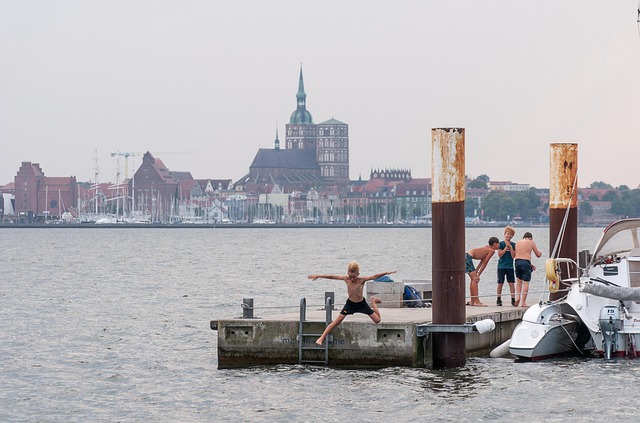
A playground space that appears perfectly fine on opening day can become dangerous by month three if no one inspects the playground equipment or the soft play area. A lean month-to-month plan keeps little repairs affordable and major litigation at bay, ensuring a safe play experience.
Routine Inspections
Re-tighten bolts to 95% of spec torque every 90 days. A ½-inch drive click wrench costs $38 at Harbor Freight and prevents wobble before it begins. Check every seat edge for cracks that could snag skin.
Pass a cotton glove over plastic and wood; if the fabric catches, sand or replace the piece. Measure surfacing depth in 10 random locations and top off if it is less than 9 inches, as LA parks crews observe that foot traffic and wind erode 2 inches every quarter.
Tag it and remove whatever is broken until newness appears. Fluorescent zip ties and a laminated ‘Out of Order’ sign deter kids.
Seasonal Care
Paint wood with UV sealant every May before the summer heat arrives in full force. Two thin coats on a Saturday morning give your wood a three-year lease on life. Drain water features and blow out lines prior to the first freeze.
Even a quarter cup left in a PVC elbow can crack at 32 degrees Fahrenheit and cost $80 in parts. Rake engineered wood fiber following fall leaf drop to prevent concealed rot. Wet leaves convert to pulp that masks broken glass.
Check shade sails for damage after winter storms. Restitch loose hems with UV-rated thread so they do not flap like a torn kite.
Community Upkeep
Hold a “Playground Pride Day” twice a year, provide gloves and trash bags and you will fill a 55-gallon can in 45 minutes. Empowering volunteer parents to spot wear on climbing walls and text in from an app.
A three-picture upload takes 30 seconds and saves staff a whole visit. Provide a pizza party for the scout troop with the most volunteer hours. Twelve pies at $9 a piece beats a $2,000 repair bill.
Post your before and after photos on social media to maintain the momentum and thank your helpers. Those likes turn into additional sign-ups next round.
Conclusion
You’ve got a blank canvas to construct the play yard of your dreams that aligns with your yard, your wallet, and your children’s crazy ideas. Map out the space, select secure equipment, sprinkle in color, and swing open the entrance. Check bolts every season, replace worn parts quickly, and have the kids decide on the next upgrade. A new chalk wall or a crate of dress-up clothes keeps the spot alive without big expense. Prepared to begin? Take a tape, rope off the corner, and post a stake up picture! Post it below and we’ll root for you.
Frequently Asked Questions
Do I need a permit to build a backyard play area in Los Angeles?
No, if the playground structure is over 120 square feet or 6 feet tall, verify LADBS clearance online before beginning.
What’s the safest surface for kids in LA’s dry heat?
Rubber mulch or poured-in-place rubber provides a cooler surface and cushions falls better than wood chips, enhancing the playground experience on hot SoCal days.
How much does a mid-range playset cost here?
Plan on two thousand to five thousand dollars for the installation of playground equipment, as local big-box suppliers often beat Amazon prices on delivery.
Can I build on a slope in my yard?
For safe installation of playground structures, enlist an LA-certified landscaper to create a fun and exciting play space, ensuring all safety measures are in place.
When is the best time to install in Southern California?
Cooler temps from October to April create a perfect environment for playground installation, ensuring happier installers.
How do I keep the set cool in summer sun?
Situate the playground space underneath a shade sail or established tree canopy, as light-colored UV-rated canopies can lower surface temperatures by 15 degrees Fahrenheit.