

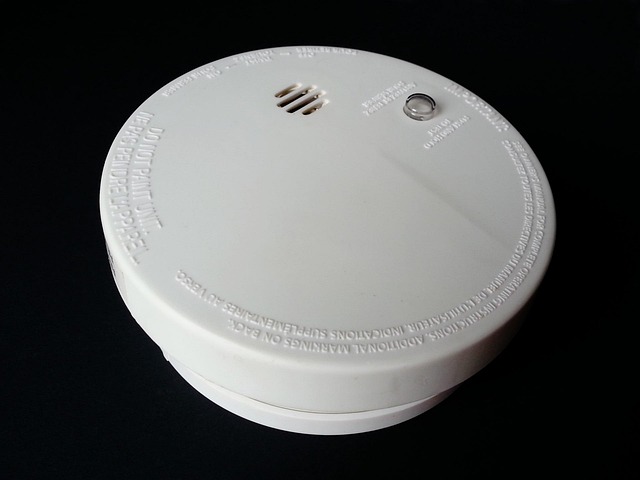
CO detectors are tiny sirens that detect the silent, odorless gas before it affects you. For example, in most US states landlords are required to install one on every level and outside every room used for sleeping.
Battery models run $20 at Home Depot, hard-wired units $45, and both last 5 to 7 years. The post below details where to install them, monthly test button routines, and when to replace old units.
The Silent Threat
Carbon monoxide creeps in silently. No color, no smell, no taste—just a gas that takes you out before you can figure out why. Levels can spike in minutes and by the time you feel ‘off’, the air is already unsafe. In New Jersey alone, hundreds end up in ERs annually because of this.
Over half of U.S. CO fatalities occur between November and March, when people haul patio heaters or camp stoves indoors to heat up. The CPSC count of non-fire CO deaths creeps up every winter, making a $25 alarm a bargain life insurance policy.
Common Sources
- Gas furnace with cracked heat exchanger
- Car left idling in attached garage
- Water heater with rusted vent pipe
- Clogged chimney packed with soot or bird nests
- Portable generator running in basement or crawl-space
- Camp stove or charcoal grill inside tent, RV or kitchen
All day garages in Bergen County drip CO when drivers fire up, then dash back in for java. A blocked flue in a Cape May condo can drive that same gas down into the living room.
Even a mini generator under the deck can fill the floor above in the time it takes to make toast.
Health Risks
CO binds to red blood cells 200 times more tightly than oxygen. Organs starve quickly. Kids, grandparents, and anyone with bad lungs go down faster since they breathe faster and have less reserve.
Surviving a big hit means you’ll still walk away with memory holes, tremors, or a frail heart. A single leak in a Summit townhouse last year landed three roommates in rehab for months. They’ll never be able to multi-task at work again.
Detectors are our sole hope for advance warning. Human senses are oblivious to this gas.
Poisoning Symptoms
Early signs feel like mild flu: dull head, upset gut, slight spin. Then chest pain, vomiting, or total blackout. When it hits a shared ‘bug’ in two or more people at once, think CO, not virus.
If it does occur, go outside first, then call 911. Tap the test button on your way out. A functioning alarm will WOOP even though you’re feeling fine.
How Detectors Work
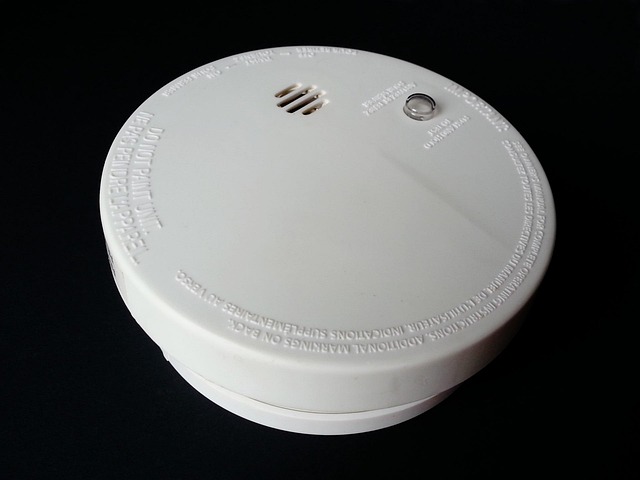
Three sensor types dominate the US market for carbon monoxide detectors. All three convert invisible CO gas into a piercing alarm, but they go about it in very different ways. For home units, the first alert co600 carbon monoxide alarm sounds at 70ppm after 60 to 240 minutes, providing individuals with time to exit before dangerous levels of CO reach lethal levels.
| Sensor Type | Core Part | Life Span | Price Range | Best Room |
|---|---|---|---|---|
| Electrochemical | liquid cell | 7-10 yr | $25-45 | bedroom, hall |
| Biomimetic | color gel | 2-6 yr | $15-25 | apartment |
| Semiconductor | tin chip | 2-5 yr | $20-35 | garage |
Electrochemical Sensors
Electrochemical carbon monoxide sensors are our gold standard for home safety since they’re incredibly accurate and can last 7-10 years. CO flows into a miniature cell, strikes a liquid salt bridge, and generates a small current. That current increases with dose.
First Alert CO600 and most UL-certified alarms employ this tried and true sensor to deliver reliable CO detection. BUYERS: Search for the word “electrochemical” on the box for quicker reaction and less false alarms.
Biomimetic Sensors
Biomimetic sensors replicate human blood. Behind a window, a gel dot sits. When CO lands, the dot blacks out like hemoglobin in smoke.
An LED monitors the dot and triggers the horn. These detectors are less expensive but can drift in accuracy if exposed to temperature swings or moisture. They accommodate single-detector apartments or hotel rooms with light CO threats.
Test every month and replace when scheduled since the gel gets older and the color indicator loses its intensity.
Semiconductor Sensors
Tin dioxide chips rest on a hot ceramic platen. CO clings to the hot metal, snatches oxygen, and lowers the resistance. An IC monitors the change and triggers the alarm.
Thin wires of semiconductor tin dioxide on an insulating ceramic base give a sensor that an integrated circuit monitors. These models require extra power and are prone to false alarms from cigarette smoke or methane.
Stick them in garages or workshops, not bedrooms. Select cells with replaceable sensors if you opt for this chemical detector type, as the chip poisons out faster than an electrochemical cell.
Choosing Your Guardian
First check the stamp. The bod back houses the born-on date. After 7-10 years the sensor drifts, so if you’re reading this in 2014, get to shopping! Count floors and beds: a two-story, three-bed layout requires a minimum of three alarms or one hard-wired connection so a basement leak when you’re asleep still awakens the second floor.
| Key Feature | Battery Only | Plug-in w/ Batt. | Hardwired w/ Batt. |
|---|---|---|---|
| Sensor Type | Electrochemical | Electrochemical | Electrochemical |
| Backup During Outage | Yes | 9 V or AA | Sealed lithium |
| DIY Install | Screw or mount | Screw & outlet | Junction box |
| Smart Alerts | Some models | Most models | Most models |
| Lifespan | 5–10 yrs | 7–10 yrs | 10 yrs |
The following sections dissect might, smarts, combo occupations, and the mini-emblems that appease the fire marshal.
Power Source
-
Sealed lithium coin pack – a decade’s lifespan, zero chirp-type battery swaps, the whole works snaps when the cell dims.
-
Two AA alkaline – inexpensive initially, you’ll be seeking new cells every 12–18 months, and the detector shirks labor if you do.
-
Plug-in w/ 9 V backup – slides into a hallway outlet. Select a 6′ cord or a hard-wire pigtail so the dresser won’t suffocate the vents.
-
AC hardwire plus lithium – plugs into the house loop, stands guard when the storm takes out juice and the generator runs in the driveway.
Lithium batteries outperform alkaline ones in longevity and low-beep notifications. When installing carbon monoxide detectors, consider using a cord kit or a free wall plate to discreetly place them behind couches. AC models with battery backup ensure reliable detection, even during power outages.
Smart Features
A clever alarm alerts your phone before you sniff anything. Voice alerts yell ‘carbon monoxide detected’ instead of ambiguous chirps, so kids hear and get the heck out. After the scare, a top-level button informs doctors of the top PPM since last reset.
Connect the alarm to Alexa or Google and you can test the horn from bed. The app schedules dates on your behalf. The away-from-home alerts and panic. Voice warnings trump code beeps. Peak memory lets inspectors catch cracks you missed.
With a single tap on the phone, you test all connected alarms—no chair-climbing circus.
Combination Units
One ceiling can support smoke and CO eyes. Dual-sensor combos cram ionization for flash fires and photoelectric for slow smolders, along with the electrochemical CO sniffer. In the kitchen, a hush button keeps bacon from waking the block.
Look for separate LEDs: red for fire, amber for CO—so you know which foe struck. Combo units save dollars and ladder minutes. Dual sensors detect both fire types and gas. A quiet switch prevents cooking smoke from bogus alerts.
Split lights inform you precisely what perils are present.
Certifications
Just bring home UL-listed boxes. The UL 2034 stamp on the carton indicates the alarm trips at 70 ppm within an hour, the U.S. Yardstick for homes. CSA and ETL marks withstand the same CO test.
Landlords and insurers typically require listed gear to satisfy city code and keep claims clean.
Critical Detector Placement
Install an alarm on every floor, just outside of every sleeping area, and within 10 feet of any door connecting the home to an attached garage—no exceptions, no ‘we’ll install it later.’ NFPA says wall mount around five feet up or on the ceiling, but maintain a distance of at least fifteen feet from any fuel-burning stove, dryer, or furnace so the sensor doesn’t cry wolf. Dead-air pockets by vents, ceiling fans or slammed doors can hide CO and stall the alert.
Subsequent blocks detail precise locations room by room.
1. Bedroom Hallways
Place one just outside each individual sleeping space so the 85 dB shriek pierces closed doors and pillows. Think hallway wall above door header. Inside bedrooms, the door acts like a muffler. Connect all alarms so one tripped sets the entire chain wailing.
This is essential for three-story family dwellings where the children bunk upstairs and mom and dad reside below. Roadside motel guests or rental RV junkies should throw a palm-size battery CO alarm in the tote and stake it in the same ‘hallway’ zone. The rule moves with you.
2. Each Level
Each level requires its own sentinel, even the scary basement with the ancient gas furnace and the attic that hosts a tankless water heater. CO travels the HVAC ducts like a quiet elevator. Miss a floor and the penthouse may never find out.
Unfinished basements without outlets have a screw-mounted battery model strapped to a joist five feet overhead. Before you purchase, throw together a quick floor plan, mark a dot wherever air could gather and tally up the number of alarms you really need. It’ll save you a return trip to the hardware store.
3. Near Garages
A car left idling, a propane heater or lawn mower in an attached garage, burps CO that slips under the weather-strip fast. Park the alarm inside the house within ten feet of the entry door. Keep it out of the garage itself since winter cold kills batteries and summer heat fries sensors.
Select a hardwired unit with battery backup so the tick tock continues when ice floors the grid. Never warm the car up with the garage door closed, even ‘just for a minute.’ The alarm is your second chance, not your first.
4. Away From Vents
Windows, bath fans and big return ducts blow fresh air in that dilutes CO and fools the sensor. If you don’t want false alarms, keep three feet sideways from any supply register and plant the detector on the opposite wall from large ducts.
Turn on the furnace fan, wet your finger, and check for drafts. If the flame flickers, relocate the mount.
5. Proper Height
Warm CO rides the updraft, so NFPA says chest height, four to six feet, is sweet for both speed and reach when you swap batteries. Ceiling installs are OK if you keep them a foot away from the corner dead zone.
Avoid floor mounts. Early CO layers ascend, so low is late. With the paper template taped to the wall, mark holes, drill once!
Beyond the Beep
One chirp at 2 a.m. Is not a gentle reminder. It’s the detector’s last intelligible directive before it falls mute. Too many owners simply roll over, pull the battery and pray. That luck runs out. Four quick beeps, a pause, then four again means CO is already pooling in the lungs of everyone asleep upstairs.
Master the chip. Write it on a sticker—low-battery chirp: one every 60 s; danger: four in a row—then slap that sheet on the ceiling within view of the babysitter who just arrived from Riverside.
Digital Complacency
‘0 ppm’ glows green, so the room feels safe. Sensors wear out, too. The gel inside dries and shifts after years at 72 °F. Test it every 30 days with an $8 can of CO gas. If the digits never jump, the unit is lying.
Peek at the peak-level memory after a night of headaches. 27 ppm at 3:12 a.m. Explains the dizziness and calls for a stove check. Blinking ‘Err’ or a botched gas challenge equals landfill. No reset’s gonna save dead circuitry.
The Human Factor
Most CO deaths in L.A. County trace back to two moves: popping the battery to hush a low-energy tweet or never installing a detector at all. Choose one with a hush button that keeps detecting whilst quiet.
Put a phone alert on the first of every month—test day—and another every birthday for a new set of AA’s. Kids learn fast: alarm sounds, out to the big palm tree by the sidewalk. Drill it twice a year so the memory sticks.
Proactive Prevention
- Buy the CO alarm before the portable generator. Then park that generator twenty feet from any door or window.
- No charcoal grills, camp stoves or open flames in house, tent or RV—ever, not even for 5 minutes.
- Have two spare batteries taped to the hallway detector and a $30 battery-powered backup alarm for blackouts.
- Check the born-on date. Throw away items over a decade old, although they still beep!
- Vacuum grill dust every season. Clean slots allow air to reach the sensor.
Maintain Your Alert System
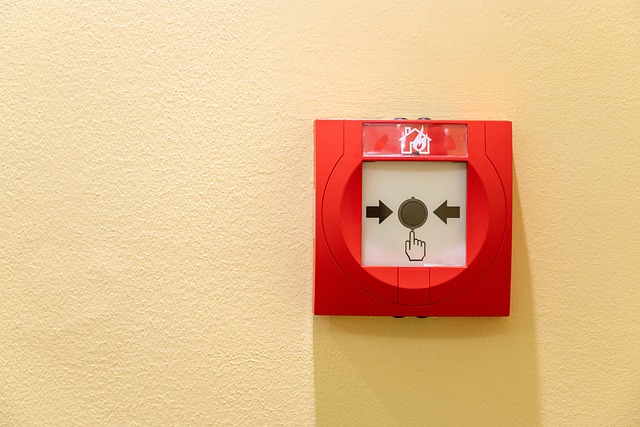
A carbon monoxide detector is NOT ‘set and forget’. The electrochemical carbon monoxide sensor inside each unit diminishes over the years, although if the green light continues to shine. To ensure co safety, conduct weekly tests, replace batteries yearly, and fully replace the first alert co600 carbon monoxide alarm at expiration.
Regular Testing
Press the test button once a week. Hold it until that horn sounds. Silence means the batteries are dead or the whole unit has quit. For a more thorough check, blast canned CO test gas into the vent. The alarm must go off in 60 seconds. If not, it’s time to retire the unit.
Record every test date on a strip of painter’s tape attached to the plastic. Landlords and home inspectors adore the streak. Kids learn the sound and duty.
About: Maintain Your Alert System Teach kids to hit the button themselves, so they’re familiar with the four-beep code and take an early interest in keeping the household safe.
Battery Replacement
Change batteries every year when clocks spring forward for daylight saving–a simple reminder. Pop the lid, duplicate the battery number stenciled inside. A cocktail of lithium and alkaline will rust the contacts and murder the alert.
After clicking in new cells, wait for the green LED or ‘Lb’ message to disappear. Then press test again to demonstrate the circuit is active. Keep your alert system up to date.
Old batteries don’t go in the kitchen garbage. Leave them anywhere from a Home Depot to the city recycling bin. Landfill disposal is illegal in California.
Expiration Dates
Turn the unit over to check the manufacture date stamped in the plastic. For most battery models, it’s five years, while hardwired models last seven years, and sealed lithium packs can last up to ten. To ensure home safety, scribble the replace-by date on the front with a Sharpie so it glares at you each time you walk by.
Keep Your carbon monoxide alarms updated — order new alarms two months early. Big-box stores often run sales in October right before fire-safety week, helping you avoid a gap in protection. Peel off the old expiration sticker and slap it on December on your kitchen calendar as a reminder of days to come.
If you can’t find a date, assume a maximum of seven years. After that, the reliability of the carbon monoxide detector’s sensor drifts, leaving you guessing about safety features.
Conclusion
You know the deal. CO kills quickly and silently. A 10-year sealed alarm is less than 2 pies and takes 10 minutes to screw into the wall. Check the back for the born-on date, pop in a fresh battery each new year, test once a month, and you’re good to go. If the thing chirps, get everyone out, call 911 from the curb, and don’t go back until the fire crew says it’s clear. Grab a detector on your next grocery run, hang it outside every bedroom tonight, and sleep better.
Frequently Asked Questions
How often should I test my carbon monoxide detector in my Los Angeles home?
Hit the test button monthly to ensure your carbon monoxide alarms are ready, especially after LA’s quakes.
Where should I place a carbon monoxide detector in a California split-level house?
Mount a carbon monoxide detector on every floor, in hallways outside bedrooms, and 5–20 ft from gas appliances for optimal co safety.
Do carbon monoxide detectors expire?
Yup, every 5–7 years, you should check the born-on date on the back of your carbon monoxide alarms. Replace it when the label reads “replace by.
Are battery-only CO detectors legal in California?
Yes, only if they have the State Fire Marshal seal. Hard-wired carbon monoxide alarms remain best for new construction.
Why does my CO detector beep once every minute?
That single chirp from your carbon monoxide alarm indicates low battery. Replace it immediately with a new 9-volt or AA for reliable detection.