

An outdoor patio is a paved area adjacent to a home constructed for the purpose of dining, lounging, and grilling throughout the seasons.
In LA, almost all patios begin as 12 by 16 feet concrete slabs that receive dappled shade from a pergola or retractable awning. Neighborhood patios rely on decomposed granite, drought-proof succulents, and string lights to enhance the season.
Below, we detail cost, permits, and layout options that suit small city lots.
Foundational Patio Principles
Draw a quick bird’s-eye map first: mark where the sun tracks, which way the wind usually blows, and every door you step out of. Choose a primary function—dining, lounging, or grilling for example—and then allow all subsequent decisions to support that function. Measure twice on the ground with painter’s tape so the actual footprint appears before you spend a dime.
Define Your Zone
Place an all-weather rug large enough to span all front chair legs. It tells visitors, ‘hang out here.’ Plant a 20-inch cedar planter or a low backless bench to create a fluff wall between the table and the path to the gate. Angle seats 15 degrees toward each other. You’ll talk without shouting and still leave a clear lane for the dog.
Leave 30 inches of exposed pavers behind every chair so a pushed-back seat sinks into stone, not lavender.
Maximize Your Flow
Position the grill five feet to the side of your kitchen door. Smoke blows away and no one cuts the cook. Run the dining plank parallel to the house wall. You end up with a 6 ft aisle that exudes café lane charm.
Fold-flats and a skinny metal basket hang out behind the shed when guests multiply. The floor pops open in seconds! Drape warm-white cords along the long edge. Eyes track the line and an 8-foot pad seems like 12.
Avoid Common Pitfalls
A 2×3 rug is lost in space, get one that tucks under every leg or forget it. Turn at least half the chairs toward the yard – backs to the garden kill the vibe. Give 18 inches between the sofa and coffee table. Less knees the wood, more loses the reach for drinks.
Ditch those plastic wobble-leg bistro sets, they sun-warp in July and burn bare thighs.
5 Weekend Patio Projects
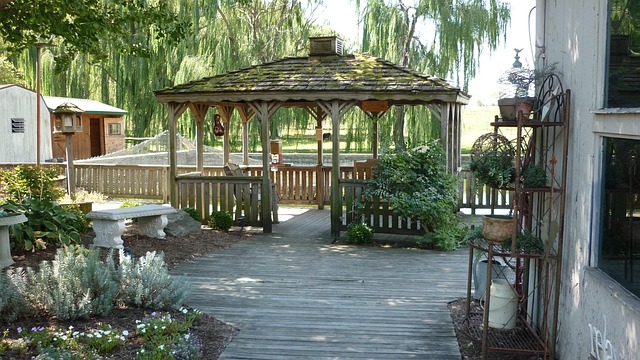
These five upgrades all squeeze in between Saturday coffee and Sunday dinner. Take on one, two, or the whole shebang. None requires a pro license.
- Whip up a quick cut list on Friday. Purchase supplies that morning.
- Get one assistant and offer pizza. Two pairs of hands slash project time in half.
- Take before and after pictures to post online and tag the store for potential rebate or feature.
- Seal, stain, or cover new work Sunday evening so Monday rain does not ruin it.
1. The Vertical Garden Wall
Screw a 4×4 cedar frame to fence slats, line with landscape fabric, and fill with potting mix. Plant trailing pothos on the top row, bright coleus in the middle, and herbs at thumb-height for easy picking.
Install a drip irrigation line across the top, set the timer for 5 minutes at sunrise. Install a waterproof LED strip behind the frame for night glow that acts as patio lighting.
The entire thing weighs less than 25 lbs even when wet, so ordinary fence pickets can support it without additional posts.
2. The DIY Fire Pit
A 36″ inner ring of $2 retaining-wall blocks forms a solid base for the bowl. No mortar is necessary if you stack 2 tiers.
Dig down 6 inches, pour paver base, and tamp firm so your first row sits level forever. Cap the top with flat stones to form a finished seat-friendly rim.
Verify city code on open flames. Most SoCal towns will permit a 3-foot pit if you install a $40 spark screen. Keep chair legs 6 to 7 feet back so shins stay happy and heat spreads evenly.
3. The Custom Privacy Screen
Frame three 6′ cedar panels with 1×2s, staple outdoor fabric or bamboo mesh across. Hinge panels accordion-style so you can fold flat against the fence when not in use.
Stain the wood the same tone as deck boards for a built-in look. Add screw-in plant hooks to hang small ferns and soften the screen with greenery.
4. The Smart Lighting Upgrade
Replace one outlet with a smart plug, then hook up string lights. Use voice control to turn the patio on at dusk.
Take advantage of warm-white 2700 K LEDs that prevent bugs and are flattering on skin tones. Zigzag the lights in a V to cover more space with fewer strands.
Set a sunset schedule so lights welcome you even when you’re not home.
5. The Refreshed Patio Floor
Power-wash pavers, let dry, then simply brush on bonded cement tint to cover up those old stains in one coat.
Fill cracked concrete with flexible outdoor caulk tinted with sand for a seamless appearance. Snap together composite deck tiles over ugly concrete, no screws, no glue, done in two hours.
Unroll a pair of stacked outdoor rugs for immediate vibrance and barefoot warmth.
Choosing Resilient Materials
Sun, snow and rain will challenge every inch of your patio. Get free chips from the stone yard, lay them on your back step for a week, and let them rain at noon and dawn. If it burns your hand or stays damp, no way. Look for your ZIP on the label for freeze-thaw cycles. A tile made for Atlanta will crack in Denver. Always order 10% extra so a broken paver in 5 years doesn’t force a full re-do.
- Light colors bounce heat
- UV 1000+ fabric tag
- ZIP-code freeze-thaw rating on box
- Ten percent spare for future patches
For Hot Climates
|
Material |
Heat Gain (degrees F above air) |
Fade Grade (1-5) |
Maintenance/Year |
|---|---|---|---|
|
Porcelain paver |
plus 5 |
5 |
Hose rinse |
|
Dark granite |
plus 25 |
4 |
Seal every 2 years |
|
Plastic resin |
plus 35 |
2 |
Paint when dull |
Select light sling cloth with a UV 1000+ label. It stays cool and retains color two times as long as ordinary 500-hour material. Porcelain pavers bounce back the sun rather than absorbing it like dark stone, so bare feet stay cool at 3 PM.
A cantilever umbrella with tilt allows you to move shade as the sun moves across the Valley sky. No chair dragging is required.
For Cold Climates
Dense teak or poly-lumber easily shrug off freeze cycles that crack thin plastics. Quick-dry foam in seat backs drains melt water in hours, not days, so you avoid the squish.
Stainless-steel bolts battle rust from road salt the snow blower hurls onto the deck. Foldable chairs winter in a deck box, and ice damage is reduced by fifty percent.
For Wet Climates
|
Feature |
Best Match |
Benefit |
|---|---|---|
|
Hidden gaps |
Composite deck boards |
Mold-proof, no sealing |
|
Pot feet 1 in high |
Any planter |
Air flow stops algae |
|
Clear polycarb roof |
10 ft pergola kit |
Light in, rain out |
Composite decking camouflages little holes that can drain water, so mold never gets going. Set pots on rubber feet. Pavers remain dry and green slime is kept at bay.
Your pergola, roofed in translucent polycarbonate, maintains your vista while you barbecue, completely protected from a Pacific drizzle.
Furnishing Your Outdoor Room
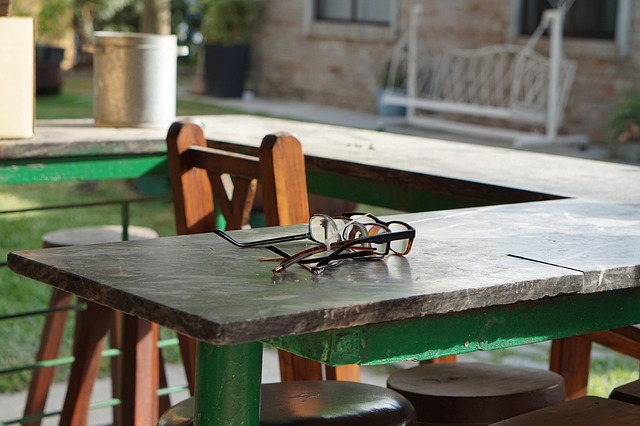
Write down all the activity—coffee, lunch, nap—and then purchase one piece per activity in order to avoid clutter. A hardscape backyard can get chilly. One chair and a little side table transform a corner into a coffee spot. Sprinkle in a second piece, perhaps a chaise, for those Sunday naps.
Pause there until the list expands. Stick to one metal finish and one wood tone so the mix looks intentional, not haphazard. We’ve got a matte-black steel table paired with eucalyptus benches. Add in one patterned pillow and that set-up suddenly feels store-styled on a Target budget.
Choose multi-use items. A 48-inch storage bench hides pillows and doubles as extra seating when friends drop by. Measure, measure, measure. If it won’t fit through your 32-inch slider, buy fold-flat or modular. Ikea Saltholmen folds to 8 inches wide and slips behind the garage in winter.
Seating
Stop and test sit for five minutes in the store. If the back digs in, avoid. Target a 24-inch seat height so most adults’ thighs rest parallel to the ground without cutting off circulation at the knee. Combine a 72-inch lounge sofa with two swivel chairs.
The spin allows guests to rotate from table to fire pit without having to drag furniture. The best bet is to include one lightweight accent chair—aluminum or resin at under 12 lbs—that you can drag to the fire pit circle when s’mores start.
Surfaces
Choose a coffee table two inches below sofa arms so plates slide over without having to raise elbows above shoulder level. Employ side tables with removable tray tops to carry drinks inside in one trip and leave the base outside.
Choose a dining table 36 inches wide to provide space for plates and elbows, not a runway that devours floor space. Drill or purchase tables with umbrella holes so you don’t need a separate stand that everyone stumbles over.
Shade
Coordinate umbrella canopy to cushion color for that ‘I-meant-to-do-it’ look. Navy on navy reads deliberate, not just fortunate. Purchase a 9-foot umbrella for 48-inch tables and an 11-foot umbrella for 72-inch tables so rim shadow hits chairs at noon.
Tilt east in the morning and west at noon. Plain crank handles make it a five-second job nobody minds doing. Anchor a 50-pound base minimum if your zip code catches afternoon gusts. Fillable plastic bases run $35 and strap around existing poles.
The Unseen Ambiance
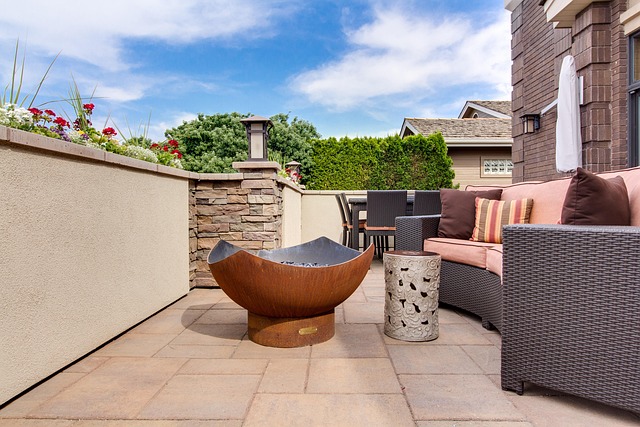
A patio pays its rent after sundown, when hue dissolves and three hushed senses dominate. Sound, scent and touch complete the work that paint and pillows begin. They allow visitors to make themselves at home even with their eyes closed.
Tuck tech inside planters or under benches so cords never sever the sight line. Consider each layer a dimmer. Test volume, throw and strength at dusk, the hour senses are most acute.
Soundscapes
A bamboo fountain no bigger than a shoebox sneaks between two pots. The unseen ambiance, the trickle landing on pebbles and for a moment wiping out the 405 drone without assistance from Spotify.
Angle a waterproof Bluetooth speaker into the back corner, face it up toward the stucco, let the wall serve as a free amplifier, and dial it to 60 dB—talk level—so your ‘friends’ next door can still hear their own wine glasses.
Space metal chimes six feet apart on cup hooks. Gentler breezes provide stereo pings rather than a single loud clang. Swap speaker playlists by season: soft jazz after Labor Day, crickets loop in July.
Scentscapes
Lavender and rosemary knee-high along the edge spritz oil when you brush by. It’s less expensive than plug-ins and sustains the bees. Using a refillable citronella torch with triple-filtered oil means no black smoke on shirt sleeves!
Rotate seasonals in two 10-inch pots: jasmine starts in March, gardenia takes over in June, cedar clippings in December. Store candles in screw-top tins so an unexpected November downpour cannot wash away the wax.
Just one secret pine-cone diffuser hanging from a beam can cozy up the entire nook when temperatures dip under 60 °F.
Textures
Flat-weave rug layered with a loose knit throw provides bare feet with two temperatures: cool fibers initially, then soft wool when the sun sets. Combine sleek poly-wood chairs with rough-texture tweed pillows.
The juxtaposition beckons hands to brush armrests instead of cell phones. Throw in one raw cut—for example, a eucalyptus stump side table—to offset all the factory edges. Sand it to 120 grit so splinters keep their distance!
Three total textures is more than enough. Kind of more like a thrift pile. Fire pits give you slow warmth and a place to dangle ankles.
Recycled glass beads on top conceal the burner pan and reflect flame color without added dye. Clean Scandinavian lines on the furniture set keep sight paths open so every texture pops.
Year-Round Patio Care
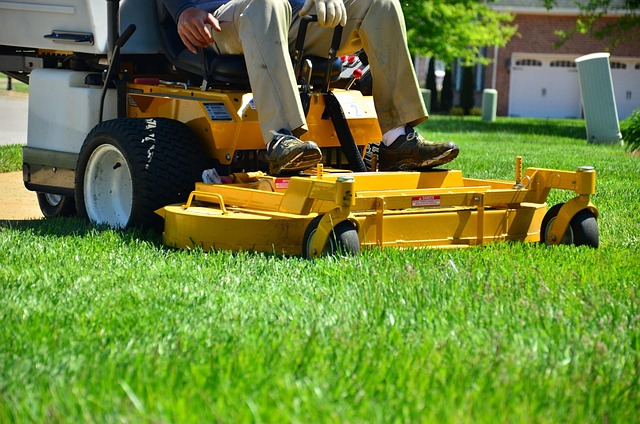
A quick sweep once a week keeps grit off the stone. About: year-round patio care 😉 Wipe the table after tacos so lime juice doesn’t etch. Pull weeds before they seed. Five minutes now is miles better than an hour later.
TEAK Unfinished, it turns grey. Wrought iron Leave it alone and it rusts. Powder-coated aluminum chips if you ding it with the mower. Tighten screws on furniture every season. One loose bolt wobbles the whole set. A quarter-inch hex key resides in the kitchen drawer for that task.
Checklist for the year:
- Sweep paths weekly
- Wipe frames after meals
- Hose cushions on the first of each month
- Grease the grill tray every 30 cookouts
- Spray rust-proof paint on iron legs each April
- Roll up rugs and store upright for winter so mice can’t snuggle under them.
- Change out bulbs: white in May, orange in October, little LEDs in December.
Purchase cushions sewn of Sunbrella or a similar brand. They scoff at July sun and January mist. Year-Round Patio Care: Fabric guard new cushions day one. Re-spray after each wash. Twelve can covers two chairs and a loveseat.
Cold months: stack them in a deck box or a dry corner of the garage. Leave the zipper open so air moves and mold stays out. Light elongates the day. A 48-foot LED rope nestled underneath the rail provides a gentle edge without glare.
Solar path stakes cost three bucks each at the Pico hardware store. Switch out the rechargeables every August. Winter prepping takes an afternoon. Hose off the grime, let it dry, and snap on the tan cover that came with the set.
If you bypass the cover, a plastic leaf bag does the trick. Just punch a couple holes so wind can’t make it fly like a kite. Flip the rug up on its side, roll tight, and tuck behind the bikes.
In spring, pull everything out, tighten again and you’re set.
Conclusion
You have your map now. A level slab, the right boards and comfy seats transform boring concrete into your favorite room. Sun hits at 10, coffee steams in the mug, kids chase the dog, and the grill clicks on for burgers at 7. Rain rolls off sealed stone, lights glow softly like a city skyline, and plants retain their color all season long. These steps accommodate any budget and any free weekend. Take a tape, select an idea, and begin this Saturday. Take pics as you progress and tag us so we can root for you.
Frequently Asked Questions
What’s the cheapest surface I can lay this weekend?
Pea-gravel in a 4-inch bed over weed-barrier cloth. A 10 by 10 foot LA patio costs approximately $180 from the big-box stores, installs in two hours and drains immediately during our winter drizzles.
Will my wood deck fry my bare feet in July?
Select heat-reflective ipe or red cedar, both remained up to 20 °F cooler than composite. Put in a bare bones pergola slapped with 30% shade cloth and you’ll reduce surface temps another 15°F.
Do I need a permit for a ground-level patio?
In L.A., anything less than 30 inches high and not affixed to the house is ‘landscaping,’ so no permit. Maintain 5 feet from property lines and call 811 before you dig.
How do I stop Santa Ana winds from launching my cushions?
Choose furniture with built-in tie-down rings or attach $8 Velcro straps to the frame. Stash pillows in a deck box when red-flag alerts arise, typically ten gusty days annually.
Can I leave my metal furniture outside all winter?
Yes, if it’s powder-coated aluminum. Rinse off ocean spray monthly, wax it in November with a good coat of car wax, and tarp it with a breathable cover in those two weeks of rain we get.